
.jpeg)
Can ulcerative colitis become cancer?
Ulcerative colitis (Ulcerative Colitis, UC) is a type of irritable bowel disease (IBD-). It causes pain, inflammation (swelling), and sores (ulcers) in the lining of the intestines and rectum. Studies have shown that the incidence of colon cancer in patients with ulcerative colitis gradually increases with the prolongation of the disease course. Especially in patients with a disease course of more than ten years, the risk of cancer is more obvious.
The cause of ulcerative colitis is unknown, and most cases are diagnosed before the age of 30, although it can also occur at older ages. A high-fat diet and stress can worsen symptoms but do not cause UC. Some researchers believe that ulcerative colitis may be caused by a malfunction of the immune system that attacks the colon, causing inflammation. Heredity plays a role in a few people. Ulcerative colitis is more common in people with a family history of ulcerative colitis or other inflammatory bowel disease. However, most cases have no family history of the disease.
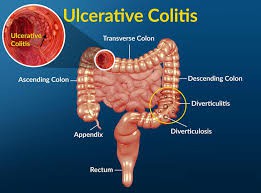
In addition, for patients who have been diagnosed with ulcerative colitis, using drug therapy to control the inflammatory response is also the key to reducing the risk of cancer. Treatment options such as 5-aminosalicylic acid drugs and immunomodulators can help maintain the remission of the disease and reduce the damage to the intestines caused by inflammation.
Patients are at higher risk of developing ulcerative colitis if they regularly use NSAID drugs such as aspirin, ibuprofen, or naproxen. In addition to increasing the risk of colon or rectal cancer, ulcerative colitis can lead to arthritis, eye inflammation, liver disease, and osteoporosis.
There is no cure for ulcerative colitis, but medication and lifestyle changes can reduce inflammation and help you achieve long-term relief. Good control of flare-ups and other ulcerative colitis symptoms can help reduce the risk of colorectal cancer.
Reference materials:https://www.compassoncology.com/blog/how-ulcerative-colitis-affects-your-risk-for-developing-colorectal-cancer
(Click to view the introduction of drugs for the treatment of ulcerative colitis. For specific drug details, please click for one-on-one consultation.)
[ 免责声明 ] 本页面内容来自公开渠道(如FDA官网、Drugs官网、原研药厂官网等),仅供持有医疗专业资质的人员用于医学药学研究参考,不构成任何治疗建议或药品推荐。所涉药品可能未在中国大陆获批上市,不适用于中国境内销售和使用。如需治疗,请咨询正规医疗机构。本站不提供药品销售或代购服务。


