
.jpeg)
Should I take osimertinib or ametinib for adenocarcinoma?
When faced with adenocarcinoma, especially non-small cell lung cancer (NSCLC), both osimertinib and ametinib are commonly used targeted therapy drugs. There are several factors to consider when choosing which drug is more appropriate.
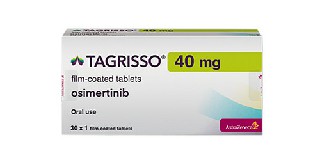
As a third-generation EGFRtyrosine kinase inhibitor, osimertinib performs well in the treatment of EGFR mutation-positive NSCLC patients. Clinical studies such as AURA3 and FLAURA have shown that osimertinib can significantly extend patients’ progression-free survival (PFS) and overall survival (OS). Especially in the FLAURA study, when osimertinib was used as first-line treatment, the median PFS reached 18.9 months, which was significantly better than the first-generation EGFRTKI.
Ametinib, another third-generation EGFR targeted drug, has also shown good therapeutic effects. It is mainly used to treat NSCLC with sensitive EGFR gene mutations. While specific study data may vary based on study methods and population differences, ametinib has also been shown to extend patient survival and improve quality of life.
Both osimertinib and ametinib are suitable for EGFR mutated NSCLC patients. However, individual differences between patients, as well as the specific type and location of genetic mutations, may affect the effectiveness of the drug. In addition, drug resistance is also an issue that needs to be considered. Long-term use of these drugs may lead to the development of drug resistance, requiring regular monitoring and adjustment of treatment regimens based on patient response.
Both drugs have a good safety profile, but both can cause some side effects. Common side effects of osimertinib include diarrhea, rash, dry skin, etc., while ametinib may cause skin allergies, gastrointestinal reactions, and damage to liver and kidney function. These side effects can usually be effectively managed with dose adjustment or symptomatic treatment.
When choosing between osimertinib and amitinib, factors such as the patient's specific situation, type of genetic mutation, severity of the disease, and personal tolerance to side effects should be comprehensively considered. At the same time, medication selection and dose adjustment need to be made under the guidance of a doctor to ensure the safety and effectiveness of the treatment.
[ 免责声明 ] 本页面内容来自公开渠道(如FDA官网、Drugs官网、原研药厂官网等),仅供持有医疗专业资质的人员用于医学药学研究参考,不构成任何治疗建议或药品推荐。所涉药品可能未在中国大陆获批上市,不适用于中国境内销售和使用。如需治疗,请咨询正规医疗机构。本站不提供药品销售或代购服务。


