
.jpeg)
Can osimertinib be continued to be used after resistance?
Osimertinib, as a lung cancer targeted drug targeting EGFR mutations, plays an important role in clinical treatment. However, as treatment progresses, some patients may develop resistance to osimertinib. So, can osimertinib be continued to be used after resistance?
Osimertinib resistance is often due to new gene mutations in tumor cells, such as secondary mutations of the EGFR gene (such as C797S mutation) or amplification of other genes (such as MET genes). These mutations result in reduced sensitivity of tumor cells to osimertinib, resulting in drug resistance.
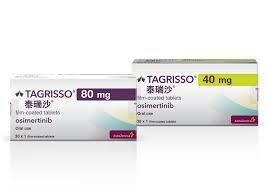
After resistance to osimertinib, whether to continue using the drug depends on the patient's specific circumstances. On the one hand, if resistance is caused by a secondary mutation in the EGFR gene, and this mutation does not affect the ability of osimertinib to combine with other EGFR drugs, then in theory you can continue to use osimertinib and consider combining it with other EGFR drugs to enhance the efficacy. But on the other hand, if resistance mechanisms lead to complete failure of osimertinib, continued use may not bring clinical benefit.
According to clinical practice and relevant guidelines, after resistance to osimertinib, it is usually recommended to conduct genetic testing again to clarify the resistance mechanism. Based on the test results, the doctor will develop a personalized treatment plan. If other available targets are detected, switching to other targeted drugs may be considered; if no suitable targets are found, chemotherapy or other treatments may be turned to.
Patient safety and side effects also need to be considered when deciding whether to continue osimertinib. If continued use of osimertinib may result in serious side effects or disease progression, the treatment regimen should be adjusted promptly.
[ 免责声明 ] 本页面内容来自公开渠道(如FDA官网、Drugs官网、原研药厂官网等),仅供持有医疗专业资质的人员用于医学药学研究参考,不构成任何治疗建议或药品推荐。所涉药品可能未在中国大陆获批上市,不适用于中国境内销售和使用。如需治疗,请咨询正规医疗机构。本站不提供药品销售或代购服务。


