
.jpeg)
Rubicatin/Rubicatin: In-depth analysis of its anti-tumor mechanism and clinical application
Rubinectedin/Lurbinectedin is a name that is gradually emerging in the field of cancer treatment. As a new chemotherapeutic agent, it has shown significant efficacy in the treatment of metastatic small cell lung cancer (SCLC), especially in adult patients whose disease has progressed after platinum-based chemotherapy. The unique charm of Rubicatin stems from its complex and precise mechanism of action. As a DNA alkylating agent, it can covalently bind to the DNA of tumor cells, thereby triggering a series of biochemical reactions and effectively curbing the growth and spread of tumors.
Deeply exploring the mechanism of action of rubicatin, we found that it mainly binds specifically to guanine residues in the minor groove of DNA. This combination not only changes the original structure of DNA, causing the helical structure to bend in the direction of the major groove, but more importantly, it triggers the break of double-stranded DNA. This damage is fatal to tumor cells because it directly weakens the cell's ability to proliferate and ultimately induces the cell to undergo programmed death, that is, apoptosis. In addition, rubicatin can also affect the activity of transcription factors, interfere with the cell's repair process of DNA damage, and further weaken the viability of tumor cells.
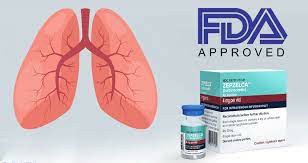
In addition to its direct damaging effect onDNA, rubicatin also interferes with the transcription process of cancer cells by inhibiting the activity of RNA polymerase-II. Research has revealed that this drug can use the nuclear redistribution mechanism to inactivate the Ewing sarcoma oncoprotein (EWS-FL11), thereby blocking the expression of certain genes closely related to tumor development. What is even more exciting is that Rubicatin also exhibits immunomodulatory potential. It can inhibit the activity of human monocytes and reduce the infiltration of macrophages into tumor tissue, setting up numerous obstacles for the further development of tumors.
However, as with many powerful drugs, rubicatin use comes with certain risks. Among them, bone marrow suppression is one of its most common side effects. This means that patients need to closely monitor their blood cell counts, especially the number of neutrophils and platelets, while receiving rubicatin. To ensure the safety of treatment, medical staff will ensure that the patient's neutrophil count and platelet count are within a safe range before starting treatment. If the neutrophil count is too low, granulocyte colony necrosis factor (G-CSF) may be considered to stimulate the production of white blood cells to reduce the risk of infection.
In addition, rubicatin may cause hepatotoxic reactions, so regular monitoring of liver function is also an important part of the treatment process. Depending on the patient's liver function, doctors may adjust the treatment plan to ensure patient safety and maximize treatment effectiveness.
In summary, rubicatin, as a new type of anti-cancer drug, plays an important role in anti-tumor treatment through its unique multiple mechanisms. However, in order to fully exert its efficacy and ensure patient safety, its potential side effects need to be paid close attention to and corresponding monitoring and adjustments need to be made in clinical applications.
[ 免责声明 ] 本页面内容来自公开渠道(如FDA官网、Drugs官网、原研药厂官网等),仅供持有医疗专业资质的人员用于医学药学研究参考,不构成任何治疗建议或药品推荐。所涉药品可能未在中国大陆获批上市,不适用于中国境内销售和使用。如需治疗,请咨询正规医疗机构。本站不提供药品销售或代购服务。


