
.jpeg)
Specific treatments for glioblastoma
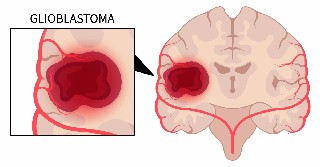
Glioblastoma (GBM) is the most common and most malignant primary brain tumor, and its treatment goals are to prolong patient survival and improve quality of life. Due to the aggressive growth characteristics of GBM, treatment usually adopts a multidisciplinary approach, including surgical resection, radiotherapy, chemotherapy, and emerging targeted therapy and immunotherapy. The following are the specific treatments for GBM:
1. Surgical treatment
Surgical resection is the preferred step inGBMtreatment. Its main purpose is to reduce intracranial pressure, obtain pathological diagnosis, and maximize tumor removal.
Total or subtotal resection: The goal of surgery is to remove as much tumor as possible in the enhancement area, but due to the infiltrative growth of GBM, it is usually difficult to completely remove it. Studies have shown that the more total amount of tumor removed, the longer the patient's survival.
Intraoperative navigation and assistive technology: The use of intraoperative magnetic resonance imaging (iMRI), intraoperative ultrasound or fluorescence navigation technology (such as 5-aminolevulinic acid, 5-ALA) can improve the tumor resection rate while avoiding damage to functional areas.
2. Radiation therapy
Postoperative radiotherapy is one of the standard treatments for GBM. It is mainly used to kill remaining tumor cells and reduce the risk of recurrence.
Standard fractionated radiotherapy: Usually 60 Gy dose is used, the total treatment course is 6 weeks, and 5 times are performed per week. Standard radiotherapy can effectively prolong the median survival of patients.
Stereotactic radiotherapy (SRT): For small-volume recurrent tumors or lesions in specific locations, SRT uses high-dose precise irradiation to avoid damaging surrounding normal tissues.
Intensity modulated radiation therapy (IMRT) and proton therapy: These new technologies can provide more precise dose distribution, improve treatment effects and reduce side effects.
3. Chemotherapy
Chemotherapy is an important part of GBM comprehensive treatment and is often used in combination with radiotherapy after surgery.
Temozolomide (TMZ): Temozolomide is an oral alkylating agent and is the standard drug for auxiliary treatment after GBM surgery. Research shows that TMZ combined with radiotherapy can significantly extend the median survival time of patients. For patients with MGMT gene promoter methylation, chemotherapy is more effective.
Bevacizumab (Bevacizumab): This is an anti-angiogenic drug that inhibits tumor neovascularization, thereby improving symptoms and delaying tumor progression. Commonly used in patients with recurrent GBM but has limited impact on overall survival.
Alternative chemotherapy drugs: Such as lomustine (Lomustine), carmustine (Carmustine) or platinum drugs, usually used for relapsed cases or TMZ resistant patients.
4. Targeted therapy
Research on the molecular biology of GBM has continued to deepen, and targeted therapy has become a research hotspot in recent years.
Epidermal growth factor receptor (EGFR) inhibitors: EGFR gene mutations are more common in GBM, inhibitors such as erlotinib (Erlotinib) and afatinib (Afatinib) have shown efficacy in some patients.
PI3K/AKT/mTORpathway inhibitors: For example, everolimus (Everolimus) or tilelimus (Temsirolimus) may be effective for patients carrying related gene mutations by inhibiting cell proliferation signaling pathways.
IDHMutation Inhibitors: For the small number of patients who carry IDH mutations, IDH inhibitors such as Ivosidenib may provide new treatment options.
5. Immunotherapy
Immunotherapy kills tumor cells by activating the patient's immune system, and is currently in the clinical trial stage.
Immune checkpoint inhibitors: For example PD-1/PD-L1 inhibitors (nivolumab, pembrolizumab) and CTLA-4 inhibitors. Although their efficacy in GBM needs further verification, some patients can benefit from them.
Dendritic cell vaccine: By extracting the patient's tumor antigens, a personalized vaccine is prepared to activate the immune response and delay tumor progression.
Chimeric Antigen ReceptorTcell (CAR-T) therapy: CAR-Ttherapy targetsG BMSpecific antigens (such as EGFRvIII) provide potential treatment options for recurrent GBM.
The treatment of glioblastoma is a complex multidisciplinary process that requires a combination of surgery, radiotherapy, chemotherapy, and emerging targeted and immunotherapies. Although currentlyGBMThere is still no cure, but comprehensive treatment can significantly extend survival and improve patients' quality of life. In the future, with the further development of molecular biology and immunotherapy, the therapeutic effect is expected to be further improved.
(Click to view an introduction to drugs for the treatment of glioblastoma.)
xa0
Reference materials
1.National Comprehensive Cancer Network (NCCN). Glioblastoma Treatment Guidelines.
https://www.nccn.org
2.Stupp R, et al. "Radiotherapy plus concomitant and adjuvant temozolomide for glioblastoma." New England Journal of Medicine, 2005.
3.Weller M, et al. "Current concepts and management of glioblastoma." Annals of Neurology, 2015.
4.UpToDate. "Management of glioblastoma in adults." https://www.uptodate.com
[ 免责声明 ] 本页面内容来自公开渠道(如FDA官网、Drugs官网、原研药厂官网等),仅供持有医疗专业资质的人员用于医学药学研究参考,不构成任何治疗建议或药品推荐。所涉药品可能未在中国大陆获批上市,不适用于中国境内销售和使用。如需治疗,请咨询正规医疗机构。本站不提供药品销售或代购服务。


