
.jpeg)
What are the potential side effects of sparsentan?
Sparsentan is an innovative drug targeting primary immunoglobulinA nephropathy (IgAN). IgAN is a disease caused by the deposition of immunoglobulin A in the kidneys, which can lead to kidney damage and dysfunction. Through its specific mechanism of action, sparsentane helps reduce patients' proteinuria levels, thereby slowing the progression of the disease.
When starting sparsentane, patients will take an initial dose of once daily as directed by their doctor. How soon the dose can be increased depends mainly on the patient's tolerance and the doctor's assessment.
Typically, if the initial dose is well tolerated by the patient and no serious adverse effects occur during treatment, the physician may consider increasing the dose to a higher level 14 days after the start of treatment. This time point is based on the pharmacokinetic properties of the drug and clinical experience. By gradually increasing the dose, you can ensure that the patient's body gradually adapts to the drug while maximizing the drug's effectiveness.
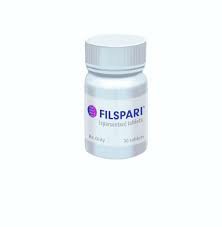
However, the decision to increase dose is not set in stone and needs to be tailored to the patient's specific circumstances. Physicians will closely monitor the patient's response, including the occurrence of side effects such as hypotension, hyperkalemia, dizziness, and peripheral edema. These side effects, although common, can usually be managed by adjusting your dose or taking other measures.
It is worth noting that sparsentan also has some serious side effects to be wary of, the most common of which is acute kidney injury, although the incidence is relatively low. Therefore, doctors will regularly monitor patients' kidney function and other related indicators while using sparsentane.
Additionally, sparsentin is contraindicated in pregnant women due to potential risks to the fetus. At the same time, in order to avoid drug interactions and adverse reactions, sparsentane cannot be used simultaneously with certain other drugs, such as angiotensin receptor blockers, endothelin receptor antagonists, and renin inhibitors.
In general, sparsentane dosage adjustment is an individualized process and needs to be carried out based on the patient's specific situation and the guidance of the doctor. Through appropriate dosage adjustments and close monitoring, the efficacy of sparsentane can be maximized while ensuring patient safety.
xa0
Reference link: https://www.ema.europa.eu/en/medicines/human/EPAR/filspari
[ 免责声明 ] 本页面内容来自公开渠道(如FDA官网、Drugs官网、原研药厂官网等),仅供持有医疗专业资质的人员用于医学药学研究参考,不构成任何治疗建议或药品推荐。所涉药品可能未在中国大陆获批上市,不适用于中国境内销售和使用。如需治疗,请咨询正规医疗机构。本站不提供药品销售或代购服务。


