
.jpeg)
Analysis of the efficacy of bedaquiline in the treatment of multidrug-resistant tuberculosis
In the field of anti-tuberculosis drugs, the emergence of bedaquiline (Bedaquiline) has undoubtedly brought a revolutionary breakthrough in the treatment of multidrug-resistant tuberculosis (MDR-TB). With its unique mechanism of action and remarkable efficacy, this drug has won widespread praise from the medical community around the world, providing new treatment hope for patients who are resistant to traditional anti-tuberculosis drugs.
Since bedaquiline received accelerated approval from the U.S. FDA in 2012, its clinical application in the treatment of MDR-TB has become increasingly widespread, and its efficacy has become increasingly significant. The uniqueness of bedaquiline is that it can effectively block the energy production of the bacteria by inhibiting the ATP synthase of Mycobacterium tuberculosis, thereby leading to the death of the bacteria. This innovative mechanism opens up a new path for the treatment of drug-resistant tuberculosis, making the originally difficult treatment of MDR-TB more methodical.
In order to verify the efficacy of bedaquiline, the medical community conducted a series of rigorous clinical trials. Among them, the C208 trial is particularly eye-catching as a randomized, double-blind, placebo-controlled phase II study. In this trial, participants were randomly assigned to receive bedaquiline or placebo in combination with other anti-tuberculosis drugs for 24 weeks. The test results showed that the sputum negative conversion rate of the bedaquiline group was as high as 79% at 24 weeks, far exceeding the 58% of the placebo group. This data fully demonstrates the significant advantages of bedaquiline in the treatment of MDR-TB.
Further, C209A single-arm open-label study also supported the efficacy of bedaquiline. The study focused on a group of high-risk MDR-TB patients who have developed resistance to at least two major anti-tuberculosis drugs. The test results showed that under the treatment of bedaquiline, the patient's sputum negative conversion rate also remained at a high level, and long-term follow-up showed that the treatment success rate was significantly improved. These data undoubtedly add more strong evidence for the efficacy of bedaquiline.
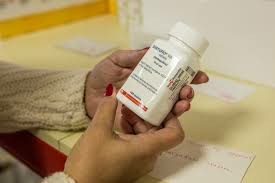
However, the use of any drug comes with certain safety risks. Bedaquiline is no exception. Its most concerning side effect is prolongation of the QT interval, which may trigger arrhythmia. Therefore, in clinical applications, doctors need to regularly monitor patients' electrocardiograms to ensure that potential risks of cardiac complications are detected and dealt with in a timely manner. In addition, bedaquiline may also affect liver function, so regular checks of liver function indicators are also essential.
Despite certain safety risks, the efficacy of bedaquiline is unquestionable. The World Health Organization (WHO) listed it as a priority drug for the treatment of MDR-TB in 2018 and issued updated treatment guidelines, recommending bedaquiline as one of the first-line drugs. This recommendation is based on extensive research data from around the world, which shows that bedaquiline can significantly improve the cure rate of MDR-TB, shorten the course of treatment, and reduce dependence on injectable drugs.
Specifically, according to global data analysis provided by WHO, the success rate of patients treated with bedaquiline combination is between 50-70%, while the success rate of traditional treatment methods without bedaquiline is only 30-50%. This data comparison fully demonstrates the significant advantages of bedaquiline in improving therapeutic effects. Bedaquiline undoubtedly brings new hope to patients who have failed to respond to traditional treatments.
In summary, bedaquiline has demonstrated excellent efficacy in the treatment of multidrug-resistant tuberculosis. Its unique mechanism of action, significant clinical trial data and wide application worldwide have proven its important status as a therapeutic drug for MDR-TB. Although there are certain safety risks, these risks can be effectively managed under strict supervision by a physician. With its global promotion and the gradual implementation of medical insurance coverage, it is believed that bedaquiline will continue to play an important role in improving the cure rate of multidrug-resistant tuberculosis in the future. For those patients suffering from MDR-TB, bedaquiline is undoubtedly a beacon on their road to recovery.
[ 免责声明 ] 本页面内容来自公开渠道(如FDA官网、Drugs官网、原研药厂官网等),仅供持有医疗专业资质的人员用于医学药学研究参考,不构成任何治疗建议或药品推荐。所涉药品可能未在中国大陆获批上市,不适用于中国境内销售和使用。如需治疗,请咨询正规医疗机构。本站不提供药品销售或代购服务。


