
.jpeg)
What are the functions of bedaquiline?
In the process of anti-tuberculosis drug development, the emergence of bedaquiline (Bedaquiline) has undoubtedly brought good news to patients with multidrug-resistant tuberculosis (MDR-TB). With its unique mechanism of action and excellent efficacy, this innovative drug has set off new waves in the field of tuberculosis treatment, providing new treatment hope for patients who are helpless with traditional drugs.
1. Unique mechanism to break through resistance barriers
The primary reason why bedaquiline has attracted so much attention is its unique mechanism of action. Unlike traditional anti-tuberculosis drugs, bedaquiline does not directly attack a specific structure or function of tuberculosis bacteria, but cleverly and selectively inhibits the ATP synthase of Mycobacterium tuberculosis. ATPSynthase is the "energy factory" for the growth and reproduction of tuberculosis bacteria. Once its function is blocked by bedaquiline, the tuberculosis bacteria will be like a machine that has lost power, gradually stopping running and eventually dying. This innovative mechanism not only gives bedaquiline powerful anti-tuberculosis activity, but also enables it to easily overcome resistance barriers that are difficult to overcome with conventional drugs, reducing the risk of cross-resistance with other drugs.
2. Clinical trials, significant efficacy
The efficacy of bedaquiline is not just empty talk, but has been verified by multiple rigorous clinical trials. Among them, the C208 study, as a key II clinical trial, fully demonstrated the excellent performance of bedaquiline in the treatment of MDR-TB. In this study, bedaquiline was compared with placebo in combination with standard multidrug-resistant tuberculosis treatment. The results showed that during the 24-week treatment, the sputum negative conversion rate of the bedaquiline group was as high as 79%, far exceeding the 58% of the placebo group. This data not only proves that bedaquiline can significantly improve the cure rate of MDR-TB, but also indicates that it is expected to shorten the course of the disease and reduce the pain of patients.
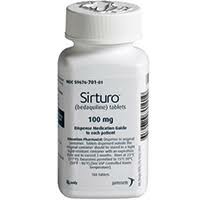
In addition,C209The study, an open-label, single-arm trial, further confirmed the efficacy of bedaquiline in high-risk MDR-TB patients in multiple countries around the world. In this study, bedaquiline showed good efficacy and a high cure rate even in cases that were severely resistant to traditional drugs. These exciting results led the World Health Organization (WHO) to list bedaquiline as one of the core therapeutic drugs for MDR-TB without hesitation in 2018 .
3. Standardize use to ensure efficacy and safety
Although bedaquiline has significant efficacy, its use must follow certain standards. Typically, bedaquiline is administered as a daily oral dose in combination with other effective anti-tuberculosis drugs to form a powerful anti-tuberculosis treatment combination. The recommended course of treatment is 24 weeks, which is approximately 6 months. At the beginning of treatment, patients need to take 400 mg of bedaquiline every day to quickly control the disease. Subsequently, the dose was adjusted to 200 mg three times a week until the entire course of treatment was completed.
However, efficacy and safety are equally important. When using bedaquiline, patients need to pay special attention to its possible side effects. Among them, prolonged QT interval is the most alarming cardiac abnormality, which may lead to arrhythmia. Therefore, patients should undergo regular ECG monitoring while taking bedaquiline to ensure stable cardiac function. At the same time, liver function damage is also one of the possible side effects of bedaquiline. Therefore, it is recommended to regularly check liver function indicators during use, especially for patients with a history of liver disease, who should use it with caution.
In addition to the above side effects, bedaquiline may also cause nausea, headache, joint pain, and chest pain. Thankfully, the incidence of these reactions can usually be reduced with proper management and monitoring. Therefore, the standardized use of bedaquiline under the guidance of a doctor can not only significantly improve the therapeutic effect of MDR-TB, but also effectively manage possible side effects and ensure the safety of patient treatment.
With the promotion and popularization of bedaquiline, especially with the support of medical insurance and international aid projects, more and moreMDR-TB patients will have the opportunity to receive treatment with this innovative drug. It is believed that in the near future, bedaquiline will become an important force in the field of tuberculosis control and contribute more to the global tuberculosis prevention and control cause.
[ 免责声明 ] 本页面内容来自公开渠道(如FDA官网、Drugs官网、原研药厂官网等),仅供持有医疗专业资质的人员用于医学药学研究参考,不构成任何治疗建议或药品推荐。所涉药品可能未在中国大陆获批上市,不适用于中国境内销售和使用。如需治疗,请咨询正规医疗机构。本站不提供药品销售或代购服务。


