
.jpeg)
Is rheumatic immune disease serious?
Rheumatic diseases (rheumatic diseases) are a group of diseases that affect the immune system, usually involving joints, muscles, and connective tissue. The severity of these conditions varies from person to person and depends on a variety of factors, including the specific type, stage of development, and the individual's overall health. Overall, rheumatic immune diseases may have a significant impact on patients' quality of life.
Many rheumatic immune diseases, such as rheumatoid arthritis, systemic lupus erythematosus, and ankylosing spondylitis, can cause chronic inflammation and damage to joints. Not only does this joint damage cause ongoing pain and limited mobility, it can also lead to joint deformity that affects basic activities of daily living, such as walking, climbing stairs, and even holding tools. In addition, joint dysfunction may worsen over time, causing more psychological stress and social difficulties for patients.
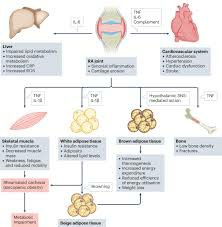
Rheumatic immune diseases may also cause systemic problems. For example, systemic lupus erythematosus can affect multiple organs, such as the kidneys, heart, and lungs, leading to more serious complications, such as renal failure, cardiovascular disease, etc. These systemic manifestations not only complicate the management of the disease but also increase the risks of treatment.
On a psychological level, patients with rheumatic immune diseases often experience psychological problems such as mood swings, anxiety, and depression. Long-term physical pain and functional impairment can cause patients to feel helpless, lonely, and even affect the stability of family and social relationships. This psychological burden may further aggravate the course of the disease and plunge patients into a vicious cycle.
In addition, the treatment process of rheumatic immune diseases usually requires long-term drug management, including nonsteroidal anti-inflammatory drugs, immunosuppressants, and biological agents. Although these drugs can effectively control the disease, they are also accompanied by certain side effects, such as increased risk of infection and damage to liver and kidney function. Therefore, patients should not only pay attention to the control of the disease itself when receiving treatment, but also need to closely monitor the adverse reactions of drugs.
(Click to view an introduction to drugs for the treatment of rheumatic and immune diseases)
References:https://www.healthline.com/health/rheumatic-diseases#symptoms
[ 免责声明 ] 本页面内容来自公开渠道(如FDA官网、Drugs官网、原研药厂官网等),仅供持有医疗专业资质的人员用于医学药学研究参考,不构成任何治疗建议或药品推荐。所涉药品可能未在中国大陆获批上市,不适用于中国境内销售和使用。如需治疗,请咨询正规医疗机构。本站不提供药品销售或代购服务。


