
.jpeg)
Can bedaquiline cure tuberculosis?
Faced with the thorny problem of multidrug-resistant tuberculosis (MDR-TB), bedaquiline (Bedaquiline), as a new anti-tuberculosis drug, has made significant breakthroughs in efficacy, but it cannot achieve a complete cure for tuberculosis alone. In fact, to overcome MDR-TB a comprehensive, multi-drug treatment plan is needed, and bedaquiline is a key part of this plan.
The uniqueness of bedaquiline is that it can inhibit the ATP synthase of Mycobacterium tuberculosis, thereby effectively cutting off the energy source of the bacteria and causing bacterial death. This mechanism allows bedaquiline to show good efficacy in the treatment of MDR-TB, especially for patients who have poor response to traditional anti-tuberculosis drugs, and it brings new treatment hope. Research data shows that when bedaquiline is used in combination with other anti-tuberculosis drugs, it can significantly improve the cure rate of MDR-TB, opening up a new path for the treatment of this difficult-to-treat disease.
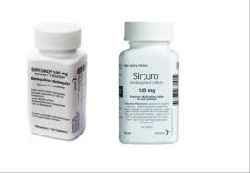
However, it is worth noting that bedaquiline is not a master key, and its therapeutic effect depends on the formulation of the overall treatment plan and the active cooperation of the patient. The treatment cycle for MDR-TBis usually longer, requiring at least 18 to 24 months. In this long treatment process, although bedaquiline is an important component of the drug, its course of treatment is generally only about 6 months. After that, it is necessary to continue to rely on other anti-tuberculosis drugs for maintenance treatment. Therefore, it is not easy to completely cure MDR-TB. It is affected by many factors, including the drug resistance of the bacteria, the patient's physical condition, medication compliance, and management of adverse reactions.
Although bedaquiline has played an important role in improving the cure rate, its efficacy is not 100% guaranteed. Some patients may be at risk of treatment failure or relapse due to poor drug tolerance, severe adverse reactions, or inability to adhere to the entire treatment regimen. In addition, bedaquiline itself may also cause adverse reactions related to the heart and liver, such as prolonged QT interval and abnormal liver function, so patients need to receive close medical monitoring during the medication.
[ 免责声明 ] 本页面内容来自公开渠道(如FDA官网、Drugs官网、原研药厂官网等),仅供持有医疗专业资质的人员用于医学药学研究参考,不构成任何治疗建议或药品推荐。所涉药品可能未在中国大陆获批上市,不适用于中国境内销售和使用。如需治疗,请咨询正规医疗机构。本站不提供药品销售或代购服务。


