
.jpeg)
Causes, response and prevention strategies of bedaquiline resistance
In the field of anti-tuberculosis drugs, bedaquiline (Bedaquiline) is a powerful tool for the treatment of multidrug-resistant tuberculosis (MDR-TB). Although it was originally designed to overcome the resistance of Mycobacterium tuberculosis to traditional first-line drugs, it is still possible to encounter drug resistance problems during actual application. This resistance phenomenon will not only affect the effectiveness of treatment, but may also exacerbate public health challenges. So why does bedaquiline develop resistance? How to deal with drug resistance? This article will explore this in depth.
1.The root cause of bedaquiline resistance
Irregular medication use: Patients who fail to strictly follow the doctor's instructions to take bedaquiline regularly and quantitatively, or fail to complete the entire course of treatment, may cause the bacteria to gradually adapt to the low drug concentration environment and develop resistance. This irregular medication behavior is one of the common causes of drug resistance.
Improper combination use: Bedaquiline usually needs to be used in combination with other anti-tuberculosis drugs to form a powerful antibacterial synergy. If the combination regimen is unreasonable, or the bacteria have developed resistance to other combination drugs, the risk of bedaquiline resistance will also increase accordingly.
Bacterial gene mutation: Mycobacterium tuberculosis itself is highly mutagenic, especially under drug pressure, and is more likely to undergo genetic mutations, thereby evolving new strains that are resistant to anti-tuberculosis drugs such as bedaquiline.
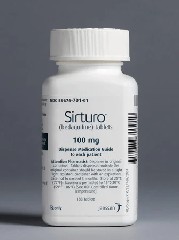
2.Serious consequences of drug resistance
The development of bedaquiline resistance will significantly reduce its effectiveness in treatingMDR-TB. Drug-resistant strains require longer and more complex treatment cycles, and cure rates are significantly reduced. In addition, drug-resistant tuberculosis bacteria may spread among the population, causing broader public health problems.
3.Effective strategies to deal with bedaquiline resistance
Adjust treatment plan: Once it is confirmed that the bacteria are resistant to bedaquiline, doctors need to immediately adjust the treatment plan. This may include the introduction of new or second-line anti-tuberculosis drugs, such as linezolid, delamanid, etc., to compensate for the lack of efficacy of bedaquiline.
Drug susceptibility testing: Through detailed drug susceptibility testing, doctors can accurately understand which drugs are still effective against drug-resistant strains and adjust drug combinations accordingly. This is a critical step to ensure successful treatment.
Use alternative drugs: With the development and application of new anti-tuberculosis drugs, such as delamanid andPretomanid, new treatment options are provided for bedaquiline-resistant patients. These drugs may have different mechanisms of action that may help overcome resistance.
Close monitoring and follow-up: For drug-resistant patients, regular health monitoring and follow-up are crucial. This helps to promptly identify new problems and adjust treatment strategies while ensuring patient medication compliance.
4.Measures to prevent bedaquiline resistance
Strict medication compliance: The key to preventing drug resistance is that patients must take bedaquiline strictly on time and in the right amount, and complete the entire course of treatment. Taking your medication with food can improve its absorption and reduce missed doses or interruptions in treatment.
Optimize combination therapy: When formulating treatment plans, doctors should fully consider the combined effects of drugs and select a variety of anti-tuberculosis drugs with different mechanisms of action for combined use. This helps to comprehensively inhibit the growth of pathogens and reduce the chance of drug resistance developing.
Strengthen health education and support: Patients should receive adequate health education and understand the importance of medication and the risks of irregular medication. At the same time, psychological support and community resources are provided to help patients better adhere to treatment.
In summary, bedaquiline has significant efficacy in treatingMDR-TB, but drug resistance is still a potential threat that cannot be ignored. In order to maximize the therapeutic effect and reduce the risk of drug resistance, patients need to strictly follow the doctor's treatment recommendations, take medications on time and complete the entire course of treatment. At the same time, doctors should also pay close attention to patients' medication status, adjust treatment plans in a timely manner, and strengthen drug sensitivity testing and drug resistance research. By working together, we hope to better address the problem of bedaquiline resistance and bring more effective treatment options to TB patients.
[ 免责声明 ] 本页面内容来自公开渠道(如FDA官网、Drugs官网、原研药厂官网等),仅供持有医疗专业资质的人员用于医学药学研究参考,不构成任何治疗建议或药品推荐。所涉药品可能未在中国大陆获批上市,不适用于中国境内销售和使用。如需治疗,请咨询正规医疗机构。本站不提供药品销售或代购服务。


