
.jpeg)
What are the symptoms of basal cell carcinoma?
Basal cell carcinoma is a low-grade malignant tumor originating from the basal cell layer of the skin. Its symptoms are diverse and often vary depending on the type of disease, stage of development and individual differences. Nodular basal cell carcinoma, one of the more common types, typically presents as small, smooth, shiny, hard, almost clear to pink nodules on the skin. These nodules may not be noticeable at first, but over time, over months or years, visible dilated blood vessels (telangiectasia) may appear on their surface, and the center may gradually rupture and form scabs.
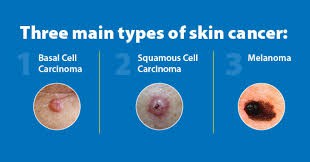
In addition to nodular type, there are several other types of basal cell carcinoma, and each type has different symptoms. For example, pigmented basal cell carcinoma is similar to the nodular type, but the skin lesions will have obvious pigmentation, which is brown or dark black. The scleroderma-like or sclerotic type presents as flat or slightly depressed yellow-white waxy plaques with often unclear edges and no ulcers or scabs. Superficial basal cell carcinoma often occurs on the trunk, especially the back and chest. It appears as erythematous or scaly patches with clear borders, and sometimes ulcers and scabs can be seen. The fibroepithelioma type appears as a raised nodule, which is moderately hard to touch, has a smooth surface, and is slightly red.
In addition, basal cell carcinoma also has some common symptoms, such as slightly raised local skin, hard texture, and thin epidermis. As the disease progresses, symptoms such as scaly desquamation, repeated crusting and desquamation, ulceration and bleeding may occur in the skin lesions. If the lesion continues to grow, a superficial ulcer may form in the center, with jagged edges that look like insect erosion. In rare cases, basal cell carcinoma may grow deeply, destroying surrounding tissues and organs, such as the eyes, nose, etc., or even penetrate the skull, posing a life-threatening threat.
In general, the symptoms of basal cell carcinoma are diverse and complex, and may not be obvious in the early stages and can easily be ignored. Therefore, people who have been exposed to the sun for a long time, especially the elderly, should have regular skin examinations for early detection and treatment.
(Click to view an introduction to drugs for the treatment of basal cell carcinoma)
Reference: https://www.msdmanuals.com/home/skin-disorders/skin-cancers/basal-cell-carcinoma
[ 免责声明 ] 本页面内容来自公开渠道(如FDA官网、Drugs官网、原研药厂官网等),仅供持有医疗专业资质的人员用于医学药学研究参考,不构成任何治疗建议或药品推荐。所涉药品可能未在中国大陆获批上市,不适用于中国境内销售和使用。如需治疗,请咨询正规医疗机构。本站不提供药品销售或代购服务。


