
.jpeg)
Is liver cancer contagious?
When discussing liver cancer, a serious disease, a common question often bothers people: Is liver cancer contagious? Behind this question actually lies a misunderstanding of the mechanism of cancer transmission and concerns about the contagiousness of the disease. First of all, we must be clear: cancer, including liver cancer, is not an infectious disease. This means that you cannot "catch" cancer from another person, no matter how intimate the contact.
The spread of infectious diseases often requires specific pathogens, such as viruses, bacteria or parasites, that can be spread from person to person through contact, air, food or water. However, cancer occurs due to mutations in genes inside cells, leading to abnormal and uncontrolled cell proliferation. This cellular change is intrinsic and not caused by external factors such as viruses or bacteria.
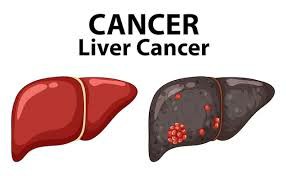
In the case of liver cancer, although certain factors such as chronic hepatitis B, hepatitis C virus infection, long-term alcohol consumption, etc. may increase the risk of liver cancer, these factors themselves do not directly "infect" liver cancer. They simply increase the likelihood that liver cells will become cancerous. Moreover, even if a person is infected with these viruses or drinks alcohol for a long time, he may not necessarily develop liver cancer, because the occurrence of cancer is also affected by multiple factors such as genetics and environment.
Therefore, liver cancer cannot be spread through close contact such as sex, kissing, touching, sharing food or breathing the same air. Cancer cells from a cancer patient cannot survive in another healthy person because they require specific environments and conditions to grow and multiply that do not exist in another person's body.
To sum up, liver cancer is not an infectious disease and it does not spread through person-to-person contact. For the prevention and treatment of liver cancer, we should pay attention to those known carcinogens, adopt a healthy lifestyle, and undergo regular physical examinations and screenings to detect and treat potential liver problems early.
(Click to view an introduction to drugs for treating liver cancer.)
xa0
References:
https://www.cancer.gov/types/liver/what-is-liver-cancer
[ 免责声明 ] 本页面内容来自公开渠道(如FDA官网、Drugs官网、原研药厂官网等),仅供持有医疗专业资质的人员用于医学药学研究参考,不构成任何治疗建议或药品推荐。所涉药品可能未在中国大陆获批上市,不适用于中国境内销售和使用。如需治疗,请咨询正规医疗机构。本站不提供药品销售或代购服务。


