
.jpeg)
Comprehensive guidelines and precautions for the treatment of KRAS G12C mutated NSCLC with sotoracib
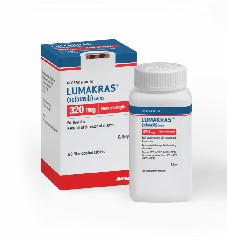
Sotorasib, a targeted therapy drug specially designed for patients with non-small cell lung cancer (NSCLC) carrying the KRAS G12C mutation, is gradually becoming a new hope for the treatment of this type of refractory disease. However, in order to ensure optimal efficacy and safety, patients and medical teams need to pay close attention to many key aspects during the medication process. The following is a detailed guide designed to help patients fully understand the precautions during treatment with sotoraxib.
1. Standardize medication to ensure curative effect
1. Precise medication time and method
Timing and dosing: Sotorasibu is recommended to be taken once a day at a fixed time to maintain the stability of the drug concentration in the body. Omitting or repeating medication may affect the therapeutic effect, so doctor's instructions must be strictly followed.
Swallow the tablet whole: Medication should be swallowed whole and avoid chewing or splitting to reduce irritation to the gastrointestinal tract and promote optimal absorption.
Taking on an empty stomach: It is recommended to take it on an empty stomach 1 hours before meals or 2 hours after meals to help improve the bioavailability of the drug.
2. Dose adjustment should be done with caution
The initial dose is usually 960mg, but doctors may adjust the dose based on the patient's individual response and side effects.
Importantly, patients should never adjust the dosage on their own and any dosage changes should be made under the guidance of a physician.
2. Monitor closely and deal with side effects
1. Identify and report common side effects
During treatment with sotoraxib, patients may experience mild side effects such as fatigue, diarrhea, nausea, decreased appetite, or abnormal liver function. Once these symptoms occur, you should promptly report it to your doctor so that you can evaluate and take appropriate measures.
2. Beware of serious adverse reactions
Jaundice, severe diarrhea, persistent nausea, severe abdominal pain, or widespread rash may be signs of a serious adverse reaction. In such cases, you should stop taking the medication immediately and contact your doctor urgently to develop a new treatment plan.
3. Regular inspection to ensure safety
Regular blood tests are crucial for monitoring liver function, blood routine and other indicators, which can help doctors adjust treatment plans in a timely manner to ensure the safety of treatment.
3. Drug interactions and dietary adjustments
1. Avoid adverse drug interactions
There is a possible risk of interaction between sotorasiib and certain antiepileptic, antibiotic, or antifungal drugs.
Before using any new medications, be sure to tell your doctor about all the medications you are currently taking, including over-the-counter medications and herbal supplements.
2. Pay attention to the impact of diet on drug absorption
High-fat foods may reduce the absorption efficiency of sotoraxib. Therefore, you should follow your doctor's dietary recommendations before and after taking the medication and avoid foods that may affect the effect of the medication.
4. Combined diseases and immune system management
1. Combined diseases require special attention
For patients with underlying medical conditions, such as liver disease, heart disease, or diabetes, the treatment regimen for sotoraxib may require special adjustments. Before treatment, the doctor should be informed of your personal medical history in detail so that the doctor can develop the most appropriate treatment plan.
2. Monitoring of immune system status
Cancer treatments may affect a patient's immune system and increase the risk of infection. Patients should pay close attention to any signs of infection and seek prompt medical attention.
5. Psychological support and family participation
1. Mental health is equally important
Cancer treatment is often accompanied by tremendous psychological stress. Seeking counseling, attending a support group, or engaging in relaxing activities such as meditation can help relieve anxiety.
2. Active participation of family members
Family understanding and support are crucial to patients. They should understand the precautions and possible side effects of medication so that they can provide timely help and comfort when patients need it.
6. Timely assessment and flexible adjustment of treatment plans
1. Resistance monitoring cannot be ignored
Regular imaging and genetic testing are key to assessing treatment effectiveness and monitoring drug resistance. As soon as disease progression or signs of drug resistance are detected, alternative treatment options should be discussed with your doctor immediately.
2. Decision to discontinue medication or change regimen
In the face of serious adverse reactions or drug resistance, patients should work closely with their doctors to jointly decide whether to discontinue the drug or switch to other treatment options.
To sum up, sotorasibu isKRAS G12CMutated non-small cell lung cancer patients offer new treatment options. However, its therapeutic effect is closely related to many details in the medication process. Patients can maximize the safety and effectiveness of their treatment by strictly following medical instructions, closely monitoring side effects, paying attention to drug interactions, managing comorbid conditions, seeking psychological support, and promptly evaluating the effectiveness of treatment. Maintaining close communication with the medical team and jointly coping with challenges during treatment is the key to overcoming the disease.
[ 免责声明 ] 本页面内容来自公开渠道(如FDA官网、Drugs官网、原研药厂官网等),仅供持有医疗专业资质的人员用于医学药学研究参考,不构成任何治疗建议或药品推荐。所涉药品可能未在中国大陆获批上市,不适用于中国境内销售和使用。如需治疗,请咨询正规医疗机构。本站不提供药品销售或代购服务。


