
.jpeg)
Which cancer types is osimertinib effective for? What are the indications?
Osimertinib is an oral targeted anti-cancer drug that belongs to the third generation of epidermal growth factor receptor tyrosine kinase inhibitors (EGFR-TKI). It blocks tumor growth signaling pathways by targeting and inhibiting EGFR receptors, especially those that are overactive due to genetic mutations. Osimertinib was developed by AstraZeneca and has been launched in many countries around the world, providing an effective treatment option for many patients. In addition, pharmaceutical companies such as Lucius Laos have also produced generic versions of osimertinib. These versions are more affordable and provide treatment opportunities for more patients.
Osimertinib is mainly used to treat non-small cell lung cancer (NSCLC), which is a common type of lung cancer, accounting for 80%-85% of all lung cancer cases. The following are the main indications for osimertinib:
1. Adjuvant therapy for adult patients with non-small cell lung cancer (NSCLC) after tumor resection:
For adult patients with non-small cell lung cancer who have undergone tumor resection and whose tumors have epidermal growth factor receptor (EGFR) exon 19 deletions or exon 21 L858R mutations, osimertinib can be used as an adjuvant therapy to help reduce the risk of tumor recurrence.
2. Treatment of adult patients with locally advanced, unresectable (Stage III) NSCLC:
Osimertinib may be a treatment option for patients with locally advanced, unresectable NSCLC whose disease has not progressed during or after concurrent or sequential platinum-based chemoradiotherapy (CRT) and whose tumors have EGFR exon 19 deletions or exon 21 L858R mutations.
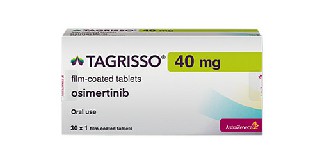
3. First-line treatment of adult metastatic NSCLC patients with EGFR exon 19 deletion or exon 21 L858R mutation detected
For patients with metastatic non-small cell lung cancer, if their tumors haveEGFR exon 19 deletion or exon 21 L858R mutation, osimertinib can be used as a first-line treatment to help control tumor growth and metastasis.
4. Combined with pemetrexed and platinum-based chemotherapy for locally advanced or metastatic diseaseFirst-line treatment of adult patients with NSCLC:
For patients with locally advanced or metastatic non-small cell lung cancer whose tumors have EGFR exon 19 deletion or exon 21 L858R mutation, osimertinib can be used in combination with pemetrexed and platinum-based chemotherapy as a first-line treatment option to enhance the therapeutic effect.
5. Detected metastasisAdult patients with EGFR T790M mutation-positive NSCLC whose disease has progressed during or after EGFR TKI treatment:
For patients with metastatic non-small cell lung cancer whose disease has progressed during or after EGFR TKI treatment and whose tumors are EGFR T790M mutation-positive, osimertinib may be a treatment option to continue to control tumor growth and metastasis.
It should be noted that although osimertinib has achieved significant efficacy in the treatment of non-small cell lung cancer, it may also cause some side effects, such as rash, diarrhea, stomatitis, etc. Therefore, when using osimertinib, patients should strictly follow the doctor's instructions, monitor their physical condition regularly, and seek medical treatment in time if they feel unsuitable. In addition, since osimertinib is a prescription drug, patients should fully understand their condition and treatment needs before use, and use it rationally under the guidance of a doctor.
[ 免责声明 ] 本页面内容来自公开渠道(如FDA官网、Drugs官网、原研药厂官网等),仅供持有医疗专业资质的人员用于医学药学研究参考,不构成任何治疗建议或药品推荐。所涉药品可能未在中国大陆获批上市,不适用于中国境内销售和使用。如需治疗,请咨询正规医疗机构。本站不提供药品销售或代购服务。


