
.jpeg)
Will patients with advanced nasopharyngeal cancer experience dizziness?
It is possible for patients with advanced nasopharyngeal cancer to experience dizziness, but not all patients with advanced stage nasopharyngeal cancer will have this symptom. The occurrence of dizziness is usually related to the advanced development of nasopharyngeal cancer and may be caused by the following factors:
First, advanced nasopharyngeal cancer may cause the enlargement of cervical lymph nodes. These enlarged lymph nodes may compress the blood vessels in the neck and affect the blood supply to the head. When there is insufficient blood supply to the head, patients may experience dizziness. This condition is more common in late-stage patients and is an important cause of dizziness.
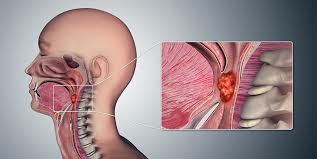
Secondly, in the late stage, nasopharyngeal cancer may invade upward to the brain, destroy the bone at the skull base or invade the intracranial nerves. This violation may lead to increased intracranial pressure or neurological dysfunction, leading to symptoms such as dizziness and headache. This kind of dizziness is usually severe and may be accompanied by symptoms such as nausea and vomiting, which has a significant impact on the patient's quality of life.
In addition, patients with advanced nasopharyngeal cancer may also develop systemic symptoms such as anemia and malnutrition, which may also lead to dizziness. Anemia reduces the oxygen-carrying capacity of the blood, starving the brain of oxygen and causing dizziness. Malnutrition may lead to physical weakness, resulting in symptoms such as dizziness and fatigue.
It should be noted that although dizziness is one of the possible symptoms of late-stage nasopharyngeal cancer, not all late-stage patients will experience dizziness. Each patient's specific symptoms may vary depending on the severity of the disease, the location of the tumor, individual differences, and other factors. Therefore, patients with nasopharyngeal cancer who experience dizziness should seek immediate medical attention for a comprehensive evaluation to determine the cause of the symptoms and formulate a corresponding treatment plan.
(Click to view an introduction to drugs for the treatment of nasopharyngeal cancer.)
xa0
References:
https://pubmed.ncbi.nlm.nih.gov/15129119/
[ 免责声明 ] 本页面内容来自公开渠道(如FDA官网、Drugs官网、原研药厂官网等),仅供持有医疗专业资质的人员用于医学药学研究参考,不构成任何治疗建议或药品推荐。所涉药品可能未在中国大陆获批上市,不适用于中国境内销售和使用。如需治疗,请咨询正规医疗机构。本站不提供药品销售或代购服务。


