
.jpeg)
Early screening methods for nasopharyngeal cancer
Early screening for nasopharyngeal cancer is the key to preventing and early treating nasopharyngeal cancer. The following will introduce in detail the early screening methods for nasopharyngeal cancer:
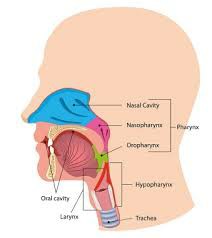
Nasal Endoscopy: This is a direct and effective examination method. Using a flexible tube with a tiny camera attached, doctors can get a clear view of the nasal cavity and nasopharynx. This type of examination is important for detecting small lesions, especially those areas that are difficult to see with the naked eye. During the exam, the doctor can carefully look for any abnormal or suspicious lesions.
EBVirus capsid antigenIgAAntibody detection: EBVirus infection is closely related to the occurrence of nasopharyngeal cancer. The diagnosis of nasopharyngeal cancer can be aided by taking a patient's blood sample and analyzing the level of EBvirus-specific IgA antibodies in the serum in the laboratory. This method is simple and easy to implement and is helpful for early detection of nasopharyngeal cancer.
Head and NeckCT Scan: CT Scan can quickly provide detailed anatomical images of the nasopharynx, helping doctors determine the location, size and relationship of the tumor to surrounding structures. During the screening process, CT scans can quickly detect abnormal structures and provide a basis for further diagnosis and treatment.
MRIImaging:MRI is a technology that uses magnetic fields and radio waves to produce detailed images. Compared with CT, MRI has an advantage in soft tissue resolution and can more clearly display the tiny structures and lesions of the nasopharynx. This is particularly important for early-stage nasopharyngeal cancer screening.
Biopsy histopathological examination: When other screening methods detect suspicious lesions, biopsy histopathological examination is a key step in confirming the diagnosis of nasopharyngeal cancer. The presence of cancer can be determined by removing a small piece of tissue from the suspected area and examining it under a microscope. This method is highly accurate and reliable and is the "gold standard" for the diagnosis of nasopharyngeal cancer.
(Click to view an introduction to drugs for the treatment of nasopharyngeal cancer.)
xa0
References:
https://pmc.ncbi.nlm.nih.gov/articles/PMC6486300/
[ 免责声明 ] 本页面内容来自公开渠道(如FDA官网、Drugs官网、原研药厂官网等),仅供持有医疗专业资质的人员用于医学药学研究参考,不构成任何治疗建议或药品推荐。所涉药品可能未在中国大陆获批上市,不适用于中国境内销售和使用。如需治疗,请咨询正规医疗机构。本站不提供药品销售或代购服务。


