
.jpeg)
What causes prostate cancer
The exact cause of prostate cancer, a common malignant tumor in men, remains a scientific mystery. Although the medical community has not yet uncovered the complete mechanism of its onset, after years of research, scientists have discovered a series of factors that may increase the risk of prostate cancer. These factors provide valuable clues for us to understand and prevent this disease.
Age, as an irreversible physiological process, is an important factor that increases the risk of prostate cancer. As age increases, the possibility of male prostate cells mutating or abnormally proliferating gradually increases. Most cases of prostate cancer occur in men over the age of 50, especially those over the age of 65. This phenomenon reminds us that as we age, we should pay more attention to the health of the prostate and conduct relevant examinations regularly.
Racial disparities also play a role in prostate cancer rates. Black men have significantly higher rates of prostate cancer than Asian men. Such differences between races may result from genetic background, lifestyle, environmental factors, or a complex interaction of multiple factors. In-depth study of these differences will help reveal the race-specific mechanisms of prostate cancer and provide a basis for precise prevention and treatment.
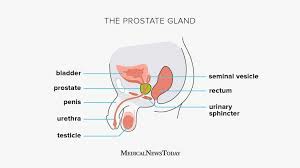
Family history is another risk factor that cannot be ignored. A man whose brother or father developed prostate cancer before age 60 appears to be at increased risk for the disease himself. In addition, studies have found that having a close female relative who develops breast cancer may also increase a man's risk of developing prostate cancer. These findings remind us that genetic factors play an important role in the occurrence of prostate cancer, and people with a family history should be more vigilant.
In recent years, the link between obesity and prostate cancer has also attracted scientists' attention. Obesity not only affects an individual's appearance and health, but may also increase the risk of prostate cancer by affecting hormone levels, inflammatory responses and other mechanisms. Therefore, maintaining a balanced diet and regular physical exercise are important to reduce the risk of prostate cancer.
The relationship between diet and prostate cancer is also one of the hot topics of research. While current research findings are not entirely consistent, there is evidence that a high-calcium diet may be associated with an increased risk of prostate cancer. This may be related to factors such as the metabolic process of calcium in the body and its interaction with hormone levels. Therefore, while maintaining adequate calcium intake, you should also pay attention to the balance and diversity of your diet to avoid over-reliance on a certain food or nutrient.
To sum up, the onset of prostate cancer is a complex process involving multiple factors and steps. Although it is not possible to completely prevent its occurrence, by understanding and controlling the above risk factors, we can effectively reduce the risk of the disease. At the same time, regular health examinations and prostate cancer screening are also the keys to early detection and early treatment. With the continuous deepening of scientific research, we believe that more secrets about the pathogenesis of prostate cancer will be revealed in the future, providing more effective means for the prevention and treatment of this disease.
(Click to view an introduction to drugs for treating prostate cancer)
xa0
Reference materials:https://www.nhs.uk/conditions/prostate-cancer/causes/
[ 免责声明 ] 本页面内容来自公开渠道(如FDA官网、Drugs官网、原研药厂官网等),仅供持有医疗专业资质的人员用于医学药学研究参考,不构成任何治疗建议或药品推荐。所涉药品可能未在中国大陆获批上市,不适用于中国境内销售和使用。如需治疗,请咨询正规医疗机构。本站不提供药品销售或代购服务。


