
.jpeg)
Early symptoms of prostate cancer
Prostate cancer, an invisible threat that lurks in men's health, often occurs silently in its early stages without any obvious signs or symptoms. That's why it's so important for every man to understand his risk of prostate cancer. Although most men with early-stage prostate cancer may not notice it, if you look carefully, subtle changes in the way you urinate may provide you with a warning, although these changes are more likely to be caused by a common non-cancerous disease - enlarged prostate or other health problems. However, it is always wise to seek medical examination promptly.
When you find that urination is no longer as smooth as before, such as difficulty in urinating, difficulty in emptying the bladder, or weak urine flow, as if blocked by some force, these may be signals from your body. The illusion that your bladder isn't full but you always feel like it's not empty, and the awkward dripping after peeing, can also be signs of an underlying problem. In addition, if you find yourself rushing to the bathroom more frequently than usual, especially at night, if you are disturbed by the urge to urinate and find it difficult to sleep peacefully, or if you suddenly feel the need to urinate, or even sometimes lose control of yourself on the way to the bathroom, these changes are worthy of your attention.
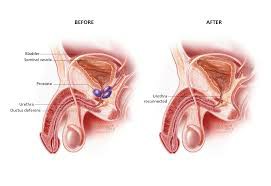
However, it is worth noting that due to the unique growth pattern of prostate cancer, it often does not directly compress the urethra in the early stages, so many patients do not have the above-mentioned obvious urinary symptoms. Prostate cancer usually originates in the peripheral area of u200bu200bthe prostate, away from the urethra, which allows it to grow silently and until it is advanced, it may cause symptoms by compressing the urethra or invading surrounding tissue.
When prostate cancer develops to locally advanced stages or even spreads to other parts of the body, a series of more serious symptoms will follow. Back pain, hip pain, or a persistent dull ache in the pelvic area may be a sign that cancer cells have invaded surrounding nerves or bones. Erectile dysfunction or difficulty maintaining an erection not only affects the quality of sexual life, but may also be a potential warning of prostate cancer. The presence of blood in your urine or semen is a sure sign that you need immediate medical attention. And unexplained weight loss often indicates that major unknown changes are taking place within the body.
Although these symptoms may be caused by a variety of health problems, when facing any physical discomfort, promptly informing your general practitioner and receiving professional examination is the key to ensuring your health and early detection of problems. Your doctor will use a series of diagnostic tools, such as a digital rectal examination and a prostate-specific antigen (PSA) test, to find out the real cause behind your symptoms and make sure you get the appropriate treatment when needed. Remember, early detection and early treatment are the keys to defeating prostate cancer.
(Click to view an introduction to drugs for treating prostate cancer)
xa0
Reference materials:https://prostatecanceruk.org/prostate-information-and-support/risk-and-symptoms/prostate-cancer-signs-and-symptoms
[ 免责声明 ] 本页面内容来自公开渠道(如FDA官网、Drugs官网、原研药厂官网等),仅供持有医疗专业资质的人员用于医学药学研究参考,不构成任何治疗建议或药品推荐。所涉药品可能未在中国大陆获批上市,不适用于中国境内销售和使用。如需治疗,请咨询正规医疗机构。本站不提供药品销售或代购服务。


