
.jpeg)
How long can one generally live with leukemia?
Leukemia is a malignant tumor that affects the blood and hematopoietic tissue and is primarily caused by abnormal blood cell production. Depending on the type of leukemia, the survival prognosis varies greatly. Leukemia is classified into acute and chronic, with acute leukemia usually developing rapidly and chronic leukemia developing relatively slowly. With the development of medical technology, leukemia treatment options and management methods have been continuously improved, which has improved the survival rate of patients to a certain extent. This article will discuss the general survival time of leukemia and the factors that affect survival.
According to statistics, the average five-year survival rate for all types of leukemia is 61.4%. However, this number is only an overall figure and cannot accurately predict individual outcomes for each patient. Survival rates also show significant differences among different types of leukemia. According to relevant data:
1. Chronic lymphocytic leukemia (CLL): The five-year survival rate is 83.2%, and the prognosis is usually good.
2. Chronic myeloid leukemia (CML): The five-year survival rate is 68.9%, and patients’ quality of life is generally high.
3. Acute lymphoblastic leukemia (ALL): The five-year survival rate of children is 68.2%, while that of adults is only 24.5%. The prognosis for children is significantly better than that for adults.
4. Acute myeloid leukemia (AML): The overall five-year survival rate is 27.4%, while the survival rate of patients over 65 years old is only 5.2%, showing the significant impact of age on prognosis.
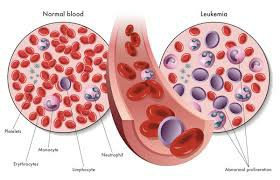
Although these survival rates provide a frame of reference, patient specific circumstances may vary based on a variety of factors. Here are some key factors that may affect the prognosis of patients with leukemia:
1. Types of leukemia: Different types of leukemia vary greatly in their response to treatment and their aggressiveness.
2. Disease staging: Early detection and timely treatment often significantly improve prognosis. With intervention at an early stage, patients often have a greater chance of survival.
3. Age and overall health: Patients who are younger and in good health generally have a better prognosis. Older patients tend to have lower survival rates due to declining physical functions.
4. Gene mutations: Certain gene mutations can affect the aggressiveness of leukemia and its response to treatment.
5. Response to treatment: Those who respond well to treatment usually have a better prognosis.
It is important to note that these influencing factors are general and each patient's situation is unique, so judgments cannot be made based solely on statistical data. Close communication with doctors to obtain personalized prognostic assessment and advice is crucial for patients and their families. Through scientific treatment and a good lifestyle, many leukemia patients can significantly improve their quality of life and even exceed their expected survival period.
(Click to view an introduction to drugs for the treatment of leukemia)
References:
https://healthtree.org/leukemia/community/how-long-will-i-live-with-leukemia
[ 免责声明 ] 本页面内容来自公开渠道(如FDA官网、Drugs官网、原研药厂官网等),仅供持有医疗专业资质的人员用于医学药学研究参考,不构成任何治疗建议或药品推荐。所涉药品可能未在中国大陆获批上市,不适用于中国境内销售和使用。如需治疗,请咨询正规医疗机构。本站不提供药品销售或代购服务。


