
.jpeg)
How is leukemia treated?
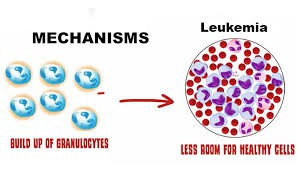
Leukemia is a cancer that affects the blood and bone marrow and is characterized by abnormal growth of white blood cells. Leukemia is usually divided into acute and chronic types based on how quickly it develops; lymphocytic leukemia and myeloid leukemia based on the type of white blood cells affected. The cause is not completely clear, but it may be related to genetics, environmental factors and certain viral infections. Due to the complexity of leukemia, treatments vary. Here are some common treatments.
1. Chemotherapy
Chemotherapy is the most common method of treating leukemia. It works by using chemicals to directly attack leukemia cells, or prevent them from multiplying. Chemotherapy drugs can be given as oral medications, intravenously, or subcutaneously. During treatment, doctors often prescribe a combination of multiple drugs to improve efficacy and reduce the risk of drug resistance.
2. Immunotherapy (biological therapy)
This treatment uses certain drugs to boost your body's defenses—your immune system—to fight leukemia. Immunotherapy helps your immune system recognize cancer cells and produce more immune cells to fight them.
3. Targeted therapy
Targeted therapy is a relatively new approach that works by targeting specific molecules, such as proteins or genes, in leukemia cells. This treatment can stop leukemia cells from growing and multiplying, and even cut off their supply of nutrients. The advantage of targeted therapy is that it causes relatively little damage to normal cells and reduces the side effects of treatment. Some common targeted therapies include monoclonal antibodies and tyrosine kinase inhibitors.
4. Radiotherapy
Radiation therapy uses high-energy rays to directly target leukemia cells. This therapy can use external radiation equipment to focus radiation precisely where cancer cells are located, or irradiate the entire body.
5. Hematopoietic cell transplantation (stem cell or bone marrow transplantation)
Hematopoietic cell transplantation is the transplantation of healthy hematopoietic cells into the patient's body to replace cancerous cells damaged by chemotherapy or radiation therapy. Doctors may obtain these healthy cells from the patient's blood or bone marrow before treatment, or they may use cells from a donor. The transplanted new cells can multiply and form new bone marrow, which in turn produces the necessary red blood cells, white blood cells, and platelets.
6. Chimeric Antigen Receptor(CAR) T cell therapy
CAR T-cell therapy represents an innovative treatment modality that modifies a patient's T cells so that they can recognize and attack leukemia cells. During the treatment, doctors will extract the patient's T cells, reprogram them through genetic engineering technology, and then inject them into the patient. This therapy has shown significant efficacy in patients with certain types of leukemia.
7. Clinical trials
Participation in clinical trials is also an important treatment option. Researchers continue to explore new treatments and drugs, and clinical trials provide patients with the opportunity to receive cutting-edge treatments. Fully discussing the potential benefits and risks of participating in a clinical trial with your doctor can help patients make informed decisions.
In short, the treatment methods for leukemia are rich and diverse, and choosing an appropriate treatment plan requires comprehensive consideration of multiple factors, including the patient's specific situation and treatment goals. During the treatment process, patients should maintain close communication with the professional medical team and jointly develop a treatment plan to improve treatment effects and quality of life.
(Click to view an introduction to drugs for the treatment of leukemia)
References:
https://my.clevelandclinic.org/health/diseases/4365-leukemia
[ 免责声明 ] 本页面内容来自公开渠道(如FDA官网、Drugs官网、原研药厂官网等),仅供持有医疗专业资质的人员用于医学药学研究参考,不构成任何治疗建议或药品推荐。所涉药品可能未在中国大陆获批上市,不适用于中国境内销售和使用。如需治疗,请咨询正规医疗机构。本站不提供药品销售或代购服务。


