
.jpeg)
The advantages and disadvantages of serpatinib and platinib
Serpatinib and platinib are two therapeutic drugs targetingRET gene mutations or fusions. They have some differences in efficacy, indications and side effects.
According to early study data, in patients with RET fusion-positive metastatic non-small cell lung cancer (NSCLC), the objective response rate of serpatinib is as high as 85%, while the objective response rate of platinib is 70%. This suggests that serpatinib may have a higher tumor shrinkage effect during the initial treatment phase. However, in treatment-experienced patients, the objective response rates of both drugs decreased, but serpatinib still maintained a relatively high response rate.
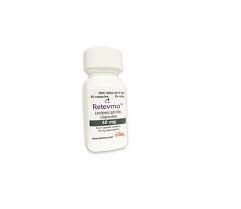
In terms of progression-free survival, serpatinib can achieve17.5 months, which is significantly better than platinib's 9.1 months. This means patients taking serpatinib may have their disease stabilized for longer, reducing the risk of their condition worsening.
Both drugs are mainly used to treat RET fusion-positive metastatic non-small cell lung cancer and medullary thyroid cancer. However, there may be slight differences in specific indications, and the appropriate drug needs to be selected based on the patient's specific situation and type of genetic mutation.
For patients with RET-rearranged lung cancer with brain metastases, both serpatinib and platinib can cross the blood-brain barrier and show clinical intracranial responses. However, the intracranial response rate of serpatinib was significantly higher than that of platinib, reaching 82%, including a complete response rate of 23%. In comparison, the intracranial response rate for platinib was only 56%. This suggests that serpatinib may have a more significant effect in controlling brain metastases.
References:
https://pubmed.ncbi.nlm.nih.gov/36572992/
[ 免责声明 ] 本页面内容来自公开渠道(如FDA官网、Drugs官网、原研药厂官网等),仅供持有医疗专业资质的人员用于医学药学研究参考,不构成任何治疗建议或药品推荐。所涉药品可能未在中国大陆获批上市,不适用于中国境内销售和使用。如需治疗,请咨询正规医疗机构。本站不提供药品销售或代购服务。


