
.jpeg)
What is lymphoma?
Lymphoma is a general term for cancers that begin in the lymphatic system. A cancer diagnosis of any type can be difficult to deal with. When patients hear about cancer, they often feel fearful and helpless. However, in recent years, with the continuous progress of medical research, the treatment methods of lymphoma have been continuously improved, and many patients can obtain a good prognosis after receiving treatment. Therefore, it is particularly important to understand lymphoma to help patients and their families better cope with this disease.
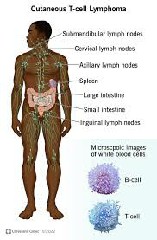
First of all, the lymphatic system is an important part of the human immune system and is responsible for producing lymphocytes (includingT cells and B cells) to defend against pathogens and bacteria. Lymphoma develops when lymphocytes become abnormal and lose their normal growth control. These abnormal lymphocytes often accumulate in lymph nodes, leading to the formation of tumors. Lymph nodes are found throughout the body, so lymphoma can occur anywhere.
Lymphomas are divided into two main categories. The first is Hodgkin's lymphoma, a relatively rare type of lymphoma caused by a rare type of large cells called Reed-Sternberg cells. The characteristic of Hodgkin lymphoma is that it usually progresses from one lymph node to another in an orderly manner, so the likelihood of early detection and treatment is high, and the cure rate is relatively high.
The second category is non-Hodgkin lymphoma, which is more common than Hodgkin lymphoma but is still a relatively rare disease. This category includes many different types of lymphocytic carcinomas that do not involve Reed-Sternberg cells. The diversity of non-Hodgkin's lymphoma makes its pathogenesis more complex and treatment options more diverse.
The occurrence of lymphoma is closely related toDNA mutations. DNA mutations lead to uncontrolled cell growth and abnormally prolonged survival time. These mutated cells will multiply rapidly in lymph nodes, forming tumors and compressing surrounding healthy tissues. Although we don't always know exactly what causes these mutations, there are factors that increase the risk. For example, the incidence of non-Hodgkin's lymphoma increases with age, especially in patients over 65. Hodgkin lymphoma mainly appears in two age groups: those aged 20 to 40 years old and those over 55 years old. In addition, certain immune system diseases, the use of immunosuppressive drugs, and specific infections (such as Epstein-Barr virus and Helicobacter pylori) are also associated with the development of lymphoma.
Common symptoms of lymphoma include swollen lymph nodes in the neck, armpits, or groin. These swollen lymph nodes are usually painless, but may also be accompanied by fever, persistent fatigue, unexplained weight loss, night sweats, and other symptoms. Itchy skin is also a common finding in patients with Hodgkin's lymphoma. If these symptoms recur, it is important to seek medical attention promptly.
Doctors will perform a physical examination to evaluate whether the lymph nodes are swollen and may need to perform a lymph node biopsy to confirm the presence of lymphoma cells and determine the type of lymphoma. Additionally, a bone marrow biopsy may also be recommended to assess the severity of the condition. Imaging tests (such as CT scans, PET scans, and MRIs) are used to look for signs of lymphoma elsewhere.
Once diagnosed, a professional medical team will develop a personalized treatment plan based on the type, stage, aggressiveness of the tumor and the patient's overall health. For some slow-growing lymphomas, immediate treatment may not be necessary, but observation may be required. Common treatments include chemotherapy, radiotherapy, targeted therapy, and immunotherapy.
In summary, lymphoma is a malignant tumor involving the immune system, with various types and manifestations. Understanding the basic knowledge, symptoms and diagnostic methods of lymphoma can help increase patients' attention and prompt them to seek medical treatment in time, so as to obtain the most effective treatment. With the development of modern medicine, the treatment methods for lymphoma have become increasingly abundant, and many patients have been able to achieve long-term survival and good quality of life.
(Click to view an introduction to drugs for treating lymphoma)
References:
https://www.mayoclinic.org/diseases-conditions/lymphoma/multimedia/vid-20522470
[ 免责声明 ] 本页面内容来自公开渠道(如FDA官网、Drugs官网、原研药厂官网等),仅供持有医疗专业资质的人员用于医学药学研究参考,不构成任何治疗建议或药品推荐。所涉药品可能未在中国大陆获批上市,不适用于中国境内销售和使用。如需治疗,请咨询正规医疗机构。本站不提供药品销售或代购服务。


