
.jpeg)
4 early signs of lymphoma
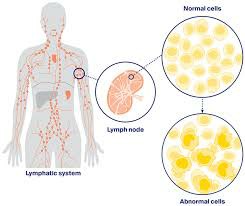
Lymphoma is a cancer that affects the lymphatic system and is mainly divided into Hodgkin lymphoma and non-Hodgkin lymphoma. Although these two types of lymphoma differ in pathological characteristics and prognosis, they both pose serious threats to patients' health. The lymphatic system is an important part of the body's immune system and is responsible for fighting infection and disease. Therefore, timely identification of early signs of lymphoma is crucial to help patients seek medical attention earlier and receive appropriate treatment. Although lymphoma may not cause obvious discomfort in the early stages, some subtle changes may indicate underlying problems. In this article, we will discuss the four major signs that may appear in the early stages of lymphoma to help everyone be more vigilant and detect and deal with this disease as early as possible.
1. Enlarged lymph nodes
Enlarged lymph nodes are one of the most common and obvious early signs of lymphoma. Lymph nodes are usually located in areas such as the neck, armpits, and groin. When lymph nodes become swollen due to cancer cell proliferation, patients may feel these lumps when they touch them, and in some cases they may even be visible on the surface of the skin. Enlarged lymph nodes are usually painless and may gradually increase in size over time. If you find a lump in your neck, armpit, or other parts of the body, it is recommended to seek medical attention promptly for necessary examinations.
2. Persistent fatigue
Fatigue is a common symptom of many diseases, but it is often more pronounced and persistent in people with lymphoma. Even after adequate rest, patients may still feel low on energy. This constant feeling of exhaustion is related to the body's immune response, as lymphoma uses a lot of energy to fight cancer cells. If you find yourself feeling unusually tired in your daily life for no obvious reason, you should take it seriously and consult your doctor.
3. Unexplained weight loss
Unexpected and significant weight loss without taking any weight loss measures is also a significant sign of lymphoma. Many lymphoma patients may experience rapid weight loss in the early stages, often losing more than 10% of their body weight in a short period of time. This condition may be related to a loss of appetite, metabolic changes, or the body's stress response to cancer cells. If you notice this, especially without diet or exercise, further testing is recommended as soon as possible.
4. Fever and night sweats
Fever and night sweats are common symptoms in lymphoma patients. In the absence of any infection, patients may experience a persistent low-grade fever, often accompanied by profuse nighttime sweating. This fever may last for days or weeks, and often there are no clear signs of infection. Night sweats often make patients feel uncomfortable and affect sleep quality. The appearance of these symptoms may be a manifestation of the body's internal immune response, indicating the possible risk of serious diseases such as lymphoma.
In conclusion, although the early symptoms of lymphoma may not be obvious, it is important to pay attention to subtle changes in the body. Enlarged lymph nodes, persistent fatigue, unexplained weight loss, and fever and night sweats are all signs that need attention. If you experience the above symptoms, be sure to seek medical attention promptly for professional examination and evaluation so that potential health problems can be detected and treated early. With early intervention, patient outcomes often improve significantly.
(Click to view an introduction to drugs for treating lymphoma)
References:
https://www.mayoclinic.org/diseases-conditions/lymphoma/symptoms-causes/syc-20352638
[ 免责声明 ] 本页面内容来自公开渠道(如FDA官网、Drugs官网、原研药厂官网等),仅供持有医疗专业资质的人员用于医学药学研究参考,不构成任何治疗建议或药品推荐。所涉药品可能未在中国大陆获批上市,不适用于中国境内销售和使用。如需治疗,请咨询正规医疗机构。本站不提供药品销售或代购服务。


