
.jpeg)
What are the effects of being infected with hepatitis B?
The impact of hepatitis B infection is multifaceted, involving physical, mental, body function, and immunity.
After hepatitis B virus invades the human body, it mainly replicates in the liver and causes damage to liver cells. This damage can lead to abnormal liver function, and long-term, chronic liver damage may lead to serious diseases such as hepatitis, cirrhosis, and even liver cancer.
Hepatitis B patients may experience a series of symptoms, such as fatigue, dizziness, loss of appetite, and pain in the liver area. As the condition worsens, signs such as jaundice, liver palms, and spider nevi may also appear, seriously affecting the patient's health.
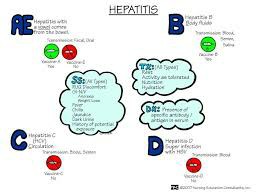
After hepatitis B virus infection, patients may experience mental changes due to physical discomfort. For example, patients in the acute phase may suffer from symptoms such as fatigue and anorexia due to liver damage, causing interference in daily life and work. People with chronic hepatitis B virus infection may suffer from insomnia, dreaminess, fatigue and other mental symptoms due to long-term illness, which affects the patient's mental health.
People infected with hepatitis B virus may suffer from malabsorption of nutrients due to impaired liver function. This can lead to a decrease in physical function, making patients prone to fatigue and weakness. Physical discomfort may make patients lack the willingness and ability to exercise, further affecting the recovery and improvement of physical functions. Long-term lack of exercise may lead to muscle atrophy and reduced cardiopulmonary function.
After hepatitis B virus infection, the human immune system will initiate a response to clear the virus. However, this process may also cause damage to normal liver cells, leading to further deterioration of liver function. At the same time, virus replication may also aggravate liver cell damage and make the condition more complicated.
In addition, hepatitis B is also contagious to a certain extent and may be transmitted to others through blood, body fluids, mother-to-child transmission, and sexual contact. This increases the risk of infection for patients and their families and can lead to social restrictions and discrimination.
(Click to view an introduction to drugs for the treatment of hepatitis B.)
References:
https://www.cdc.gov/hepatitis-b/hcp/clinical-overview/index.html
[ 免责声明 ] 本页面内容来自公开渠道(如FDA官网、Drugs官网、原研药厂官网等),仅供持有医疗专业资质的人员用于医学药学研究参考,不构成任何治疗建议或药品推荐。所涉药品可能未在中国大陆获批上市,不适用于中国境内销售和使用。如需治疗,请咨询正规医疗机构。本站不提供药品销售或代购服务。


