
.jpeg)
Sotoraxib blood concentration management
Sotorasib is a targeted therapy designed specifically for patients with KRAS G12C mutated non-small cell lung cancer (NSCLC). Precise management of its blood concentration plays a decisive role in improving treatment effects and ensuring patient safety.
In rigorous clinical trials, sotoraxib demonstrated unique pharmacokinetic properties. After oral administration, the drug is rapidly absorbed, usually reaching peak plasma concentration within 3 to 6 hours. Based on available clinical data, the steady-state plasma concentrations of sotoraxib are generally maintained in the range of 2000-8000 ng/mL (or 2-8 µg/mL) when administered at the recommended initial dose of 960 mg. However, this range is not static and is affected by many factors, including individual differences in patients, drug absorption efficiency, and control of medication time.
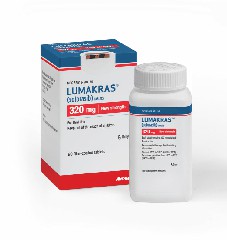
The patient's physiological characteristics, such as age, gender, weight, and liver and kidney function, may have a significant impact on the absorption and metabolism of the drug, resulting in fluctuations in blood drug concentration. In addition, certain drug-drug interactions cannot be ignored, especially those that can affect the activity of CYP3A4 enzymes, such as inhibitors and inducers of CYP3A4, which can significantly change the plasma concentration of sotoraxib. Therefore, during medication, doctors need to pay close attention to the patient's medication history to avoid potential drug interactions.
It is worth mentioning that the absorption effect of sotoraxibu is better on an empty stomach. Food intake may interfere with the bioavailability of drugs, thereby affecting the stability of blood drug concentrations. Therefore, guiding patients to take medications within the correct time window is crucial to ensuring drug efficacy.
Although there are currently no guidelines for routine monitoring of sotoraxib plasma concentrations, monitoring of plasma concentrations is particularly necessary for certain special patient groups, such as patients with liver and renal insufficiency or patients receiving other treatments that may affect drug metabolism. By regularly monitoring blood drug concentrations, doctors can more accurately evaluate the treatment effect and adjust the treatment plan in a timely manner in order to achieve the best treatment effect and minimize the occurrence of adverse reactions.
[ 免责声明 ] 本页面内容来自公开渠道(如FDA官网、Drugs官网、原研药厂官网等),仅供持有医疗专业资质的人员用于医学药学研究参考,不构成任何治疗建议或药品推荐。所涉药品可能未在中国大陆获批上市,不适用于中国境内销售和使用。如需治疗,请咨询正规医疗机构。本站不提供药品销售或代购服务。


