
.jpeg)
How long is a course of cimepilimab treatment?
Cemiplimab is an immune checkpoint inhibitor targeting programmed death receptor-1 (PD-1) and is widely used to treat a variety of malignant tumors. Treatment regimens are designed taking into account individual patient differences, disease progression, and tolerability to maximize treatment effectiveness and reduce the risk of adverse effects.
For locally advanced or metastatic basal cell carcinoma (BCC) and locally advanced or metastatic squamous cell carcinoma (CSCC), the recommended dose of cimepilimab is 350 mg as an intravenous infusion every 3 weeks. The duration of the regimen usually depends on the patient's specific circumstances, including disease response, possible side effects, and the patient's overall health. Treatment can be continued until disease progression, unacceptable toxicity, or for up to 24 months. This period is set to ensure that patients get the best treatment results under the premise of safety, while also allowing doctors to adjust treatment plans in a timely manner based on the patients' actual responses.
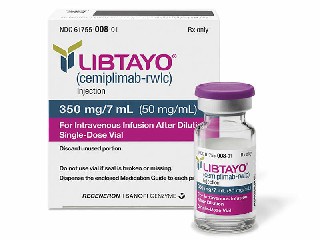
In the treatment of non-small cell lung cancer (NSCLC), the recommended dose of cimepilimab is also 350 mg as an intravenous infusion every 3 weeks, and treatment continues until disease progression or unacceptable toxicity. This flexible treatment strategy allows doctors to make dynamic adjustments based on the patient's actual response to treatment, effectively balancing efficacy and safety.
The course of treatment with cimepilimab usually consists of several stages. Initially, patients are monitored for a period of time after receiving the first dose of the drug to assess response to treatment and whether serious adverse reactions occur. After each subsequent administration, doctors will continue to observe the patient's condition, including physiological indicators and imaging examinations, to determine the tumor's response. If the patient responds well to treatment and does not experience serious adverse effects, treatment can continue as planned. On the contrary, if the disease progresses or the patient experiences severe toxic reactions, doctors may consider suspending treatment or adjusting the medication strategy.
References:https://dailymed.nlm.nih.gov/dailymed/drugInfo.cfm?setid=4347ae1f-d397-4f18-8b70-03897e1c054a
[ 免责声明 ] 本页面内容来自公开渠道(如FDA官网、Drugs官网、原研药厂官网等),仅供持有医疗专业资质的人员用于医学药学研究参考,不构成任何治疗建议或药品推荐。所涉药品可能未在中国大陆获批上市,不适用于中国境内销售和使用。如需治疗,请咨询正规医疗机构。本站不提供药品销售或代购服务。


