
.jpeg)
How long does it take for melanoma to become cancerous?
Early symptoms of melanoma Melanoma, as a highly malignant skin tumor, can grow very rapidly and may even pose a serious threat to life in as little as6 weeks. This tumor originates from melanocytes in the skin, and its malignant transformation process may involve multiple genetic mutations. The time it takes for melanoma to become cancerous, that is, the time it takes from discovery to cancer, is not fixed and depends on a variety of factors, including the type and stage of the melanoma, the patient's personal constitution, the size, location and depth of the lesion, as well as the individual's health and immune system function.
In general, it can take months to years from the time melanoma is discovered until it becomes cancerous. For early-stage melanoma, if the patient's personal constitution is good, and if the patient can detect it early and receive appropriate treatment, such as surgical resection, the condition may be effectively controlled. However, the time for canceration may be relatively long, which may take 5-10 years or even longer. However, if the melanoma has developed to the mid-to-late stage, the patient's personal constitution is poor, and it is not discovered and treated in time, and lymph node metastasis or distant metastasis occurs, then the time to cancer may be relatively short, and the treatment difficulty will be greatly increased.
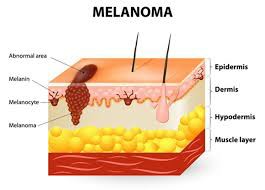
It is important to note that the rate at which melanoma grows varies between individuals and the type of tumor. Some melanomas spread quickly within weeks, while other types may take months or longer. Once melanoma breaks through the surface of the skin and enters the dermis, the risk of metastasis increases significantly, at which point the cancer cells may spread to other parts of the body through the blood or lymphatic system.
Therefore, early identification and treatment of melanoma is crucial. Dermatologists usually use the ABCDE rule to evaluate the characteristics of moles or spots, including asymmetric shape, irregular edges, diverse colors, diameter greater than 6 millimeters, dynamic changes, etc. Prompt, regular skin examinations and monitoring of any changes can help detect and treat melanoma early, thereby improving cure and survival rates.
For patients who have been diagnosed with melanoma, treatment methods may include surgery, chemotherapy, radiotherapy, targeted therapy, immunotherapy, etc. Specific treatment plans need to be formulated based on the patient's specific circumstances. In short, in the face of melanoma, a highly malignant tumor, early detection, early diagnosis and early treatment are key.
(Click to view an introduction to drugs used to treat melanoma.)
xa0
Reference link:https://www.betterhealth.vic.gov.au/health/conditionsandtreatments/melanoma
[ 免责声明 ] 本页面内容来自公开渠道(如FDA官网、Drugs官网、原研药厂官网等),仅供持有医疗专业资质的人员用于医学药学研究参考,不构成任何治疗建议或药品推荐。所涉药品可能未在中国大陆获批上市,不适用于中国境内销售和使用。如需治疗,请咨询正规医疗机构。本站不提供药品销售或代购服务。


