
.jpeg)
The difference between melanoma and melanoma
Melanoma and melanocytic nevus are two completely different skin lesions. Although they are both derived from pigment-producing cells—melanocytes, they have significant differences in nature, performance, and prognosis.
Melanoma, as a highly malignant skin cancer, is extremely aggressive and has a low survival rate. It can grow and spread rapidly in a short period of time, and if not diagnosed and treated in time, it may endanger the patient's life. In contrast, melanotic nevi, commonly known as nevus, are the most common benign skin lesions in the general population. Moles come in various shapes, usually have clear borders and uniform color, and are not harmful to human health. Dysplastic nevus is somewhere between a nevus and melanoma. Although it is also benign, it has a potential risk of malignant transformation.
In terms of clinical manifestations, melanoma often presents with irregular shape, uneven color, blurred edges, large diameter, etc., and may be accompanied by symptoms such as itching, bleeding, and ulceration. Melanoma nevus usually appears as small spots or plaques with regular shape, clear boundaries, and uniform color, with no subjective symptoms.
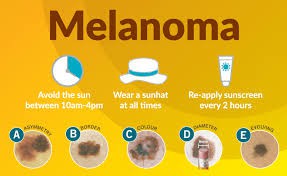
It is worth noting that ultraviolet (UV) radiation is a recognized extrinsic risk factor for melanoma, melanotic nevi and dysplastic nevi. In addition, the BRAF V600E mutation also plays an important role in melanoma and certain nevi. It can activate the RAS-BRAF-mitogen-activated protein kinase (MAPK) signaling pathway and promote the occurrence and development of tumors.
Although melanoma nevus is benign, some special types of nevus, such as congenital nevus, giant nevus, multiple nevus, etc., have potential risks of malignant transformation. Therefore, for these special types of moles, it is recommended to monitor them regularly and seek medical attention promptly if there are any changes.
The prognosis of melanoma is closely related to the stage of the disease, the timing and method of treatment. Early detection, early diagnosis and early treatment are the keys to improving the cure rate of melanoma. At present, for the treatment of melanoma, a variety of methods such as surgery, radiotherapy, chemotherapy, immunotherapy and targeted therapy are comprehensively applied, aiming to maximize the survival period and improve the quality of life of patients.
In summary, melanoma and melanocytic nevus are two distinct skin lesions with significant differences in nature, presentation, and prognosis. For any abnormal changes on the skin, we should remain vigilant and seek medical attention promptly so that potential skin cancer can be detected and treated early.
(Click to view an introduction to drugs used to treat melanoma.)
xa0
Reference link:https://pmc.ncbi.nlm.nih.gov/articles/PMC8830542/
[ 免责声明 ] 本页面内容来自公开渠道(如FDA官网、Drugs官网、原研药厂官网等),仅供持有医疗专业资质的人员用于医学药学研究参考,不构成任何治疗建议或药品推荐。所涉药品可能未在中国大陆获批上市,不适用于中国境内销售和使用。如需治疗,请咨询正规医疗机构。本站不提供药品销售或代购服务。


