
.jpeg)
What to do if you have pulmonary fibrosis and have diarrhea after taking nintedanib
Diarrhea is a common side effect during the treatment of idiopathic pulmonary fibrosis (IPF) with nintedanib (Nintedanib), which may cause discomfort and distress to patients. In clinical trials, approximately 62% of patients treated with nintedanib reported diarrhea, compared with 18% of patients in the placebo group. Therefore, as a patient, this side effect needs to be proactively managed to ensure successful treatment.
If diarrhea occurs after starting nintedanib, patients should immediately pay attention to maintaining adequate fluid intake to prevent dehydration. Diarrhea causes the body to lose a lot of fluids and electrolytes, so it is important to rehydrate in a timely manner. In the meantime, consider using some antidiarrheal medications, such as loperamide, to relieve symptoms. However, before using any medication, it is recommended to consult a professional physician to ensure its safety and suitability.
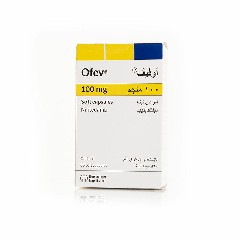
If diarrhea symptoms persist, patients should communicate with medical staff promptly. Based on clinical experience, doctors may recommend lowering the dose of nintedanib or temporarily interrupting treatment to see if diarrhea symptoms improve. Specifically, after the first occurrence of diarrhea symptoms, symptomatic treatment can usually be taken, and the dosage of medication can be adjusted if necessary, such as reducing the daily dose from 150 mg to 100 mg until the symptoms are relieved.
In some cases, patients may need to discontinue nintedanib completely, especially in cases of severe diarrhea that fails to improve despite symptomatic treatment. This is because severe diarrhea not only affects quality of life, but may also cause other health problems. Therefore, patients need to pay close attention to their own body reactions and provide timely feedback to their doctors.
In addition, dietary modification may also help reduce diarrhea. Patients should try to avoid eating high-fat and high-fiber foods, such as coffee and spicy foods. Choosing easily digestible foods, such as rice, white bread, bananas, etc., can relieve gastrointestinal discomfort to a certain extent. Patients can also consider eating in multiple meals and reducing the amount of food consumed at each meal to reduce the burden on the intestines.
Reference materials:https://dailymed.nlm.nih.gov/dailymed/drugInfo.cfm?setid=da1c9f37-779e-4682-816f-93d0faa4cfc9
[ 免责声明 ] 本页面内容来自公开渠道(如FDA官网、Drugs官网、原研药厂官网等),仅供持有医疗专业资质的人员用于医学药学研究参考,不构成任何治疗建议或药品推荐。所涉药品可能未在中国大陆获批上市,不适用于中国境内销售和使用。如需治疗,请咨询正规医疗机构。本站不提供药品销售或代购服务。


