
.jpeg)
How long does it take to develop resistance to pomalidomide?
Pomalidomide is a novel immunomodulatory agent primarily used to treat multiple myeloma, especially when other treatment options have failed or developed resistance. It regulates the function of the immune system and inhibits the growth and spread of tumor cells, thereby prolonging the survival of patients. However, like many other anticancer drugs, resistance to pomalidomide can develop with long-term use.
Resistance to pomalidomide usually develops within months to years, but the exact timing varies from person to person and is affected by a variety of factors. First, the patient's disease stage is a critical factor. Patients who start treatment early may take longer to develop resistance, while patients who start treatment at an advanced stage may develop resistance more quickly. Secondly, individual differences are also an important factor affecting drug resistance. Different patients have different responses to drugs. Some people may develop drug resistance within a few months, while others can persist for more than a year. In addition, combination therapy with other drugs can sometimes delay the development of resistance and improve efficacy.
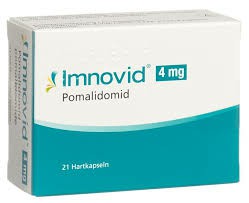
The usage cycle of pomalidomide is usually 28 days, of which 1-21 days are taken until the disease progresses or is intolerable. However, the emergence of drug resistance does not entirely depend on the length of use, but is also related to many factors such as the patient's genotype, drug dose, treatment duration, and genetic mutations in tumor cells. The formation of drug resistance is a complex process that may be caused by factors such as improper use of drugs, underdosing or overdose, the patient's metabolism rate of the drug, and changes in the adaptability of tumor cells to the drug.
To delay the development of drug resistance, doctors closely monitor patients' responses and adjust treatment options based on individual circumstances. This may include adjusting the medication dose, switching to other medications, or using a combination treatment regimen. At the same time, patients should regularly monitor hematological parameters during pomalidomide treatment to evaluate the treatment effect and possible side effects. Following the doctor's instructions, taking the medicine on time, and not stopping the medicine or changing the dosage without authorization are also the keys to ensuring the therapeutic effect and reducing drug resistance.
In summary, pomalidomide resistance is a complex issue affected by multiple factors. Although it is impossible to accurately predict the time when drug resistance will appear in each patient, through close monitoring, individualized treatment and active cooperation from the patient, the efficacy of the drug can be maximized and the patient's quality of life can be improved.
xa0
Reference: https://www.titech.ac.jp/english/news/2020/047891
[ 免责声明 ] 本页面内容来自公开渠道(如FDA官网、Drugs官网、原研药厂官网等),仅供持有医疗专业资质的人员用于医学药学研究参考,不构成任何治疗建议或药品推荐。所涉药品可能未在中国大陆获批上市,不适用于中国境内销售和使用。如需治疗,请咨询正规医疗机构。本站不提供药品销售或代购服务。


