
.jpeg)
How effective is pomalidomide in the treatment of multiple myeloma?
Pomalidomide is an immunomodulatory drug mainly used to treat multiple myeloma (Multiple Myeloma, MM). Multiple myeloma is a malignant tumor originating from plasma cells in the bone marrow. It is characterized by abnormal proliferation and accumulation of plasma cells that lead to a series of clinical symptoms such as bone destruction, anemia, and renal damage. As a third-generation immunomodulator, pomalidomide exerts therapeutic effects through multiple mechanisms, including inhibiting the proliferation of tumor cells, inducing apoptosis, inhibiting new blood vessel formation, etc., thereby slowing down the development of tumors, prolonging the survival period of patients, and improving the quality of life.
Pomalidomide has shown remarkable efficacy in the treatment of multiple myeloma. First, it can inhibit the growth and spread of tumor cells by interfering with their DNA synthesis and cell division. This inhibitory effect can effectively slow down the progression of the disease and buy more time for patients. Secondly, pomalidomide also has an immunomodulatory effect, which can enhance the activity of immune cells and improve the body's ability to recognize and eliminate tumor cells. By promoting the proliferation and activation of T cells and natural killer cells, pomalidomide can enhance the body's immunity and help patients resist the further development of tumors.
In addition, pomalidomide can also inhibit tumor angiogenesis, thereby reducing the nutrient supply and oxygen supply to tumor cells. Tumor angiogenesis is an important pathway for tumor growth and spread. By inhibiting angiogenesis, pomalidomide helps control tumor development. This mechanism of action allows pomalidomide to exert a more comprehensive effect in the treatment of multiple myeloma.
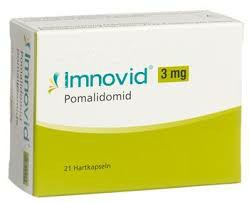
In practical applications, pomalidomide is often used in combination with other drugs, such as dexamethasone, bortezomib, etc., to form a variety of treatment options. Combined use can attack tumor cells in a more targeted manner and improve the therapeutic effect. For example, pomalidomide combined with low-dose dexamethasone has shown good efficacy and safety in patients with relapsed and refractory multiple myeloma. Clinical trials have shown that this combination treatment can significantly improve patients' objective response rate and extend their progression-free survival.
It is worth noting that pomalidomide also has certain side effects when treating multiple myeloma, such as fatigue, nausea, headache, etc. Therefore, patients need to strictly follow the doctor's instructions when using pomalidomide, use the drug rationally, and regularly monitor the adverse reactions and side effects of the drug. The doctor will choose the most appropriate treatment plan based on the patient's specific situation and severity of illness to achieve the best treatment effect.
Pomalidomide, as a new type of therapeutic drug, has achieved certain clinical results. Through clinical trials and observations, it has been found that pomalidomide can effectively control the condition of multiple myeloma, prolong the survival time of patients, and improve the quality of life. With further in-depth research on the mechanism of action of pomalidomide and the promotion of clinical application, I believe it will bring more hope and good news to patients with multiple myeloma.
Overall, pomalidomide has demonstrated significant efficacy in the treatment of multiple myeloma. It works by inhibiting tumor cell proliferation, inducing apoptosis, inhibiting new blood vessel formation and other mechanisms, providing patients with a new treatment option. However, patients need to pay close attention to the side effects of the drug when using pomalidomide and use the drug rationally under the guidance of a doctor. At the same time, with the continuous advancement of medical research, we look forward to the emergence of more effective treatment options in the future to help patients better cope with the challenge of multiple myeloma.
xa0
Reference materials:https://www.cancer.gov/types/myeloma/research/pomalidomide-dexamethasone
[ 免责声明 ] 本页面内容来自公开渠道(如FDA官网、Drugs官网、原研药厂官网等),仅供持有医疗专业资质的人员用于医学药学研究参考,不构成任何治疗建议或药品推荐。所涉药品可能未在中国大陆获批上市,不适用于中国境内销售和使用。如需治疗,请咨询正规医疗机构。本站不提供药品销售或代购服务。


