
.jpeg)
What are the adverse effects of sparsentin?
Sparsentan is a drug used to treat IgA nephropathy (IgAN), which is not only the most common primary glomerulonephritis, but also one of the main factors causing renal failure. Especially suitable for patients whose condition may deteriorate rapidly.
IgA nephropathy, a rare progressive kidney disease characterized by abnormal accumulation of the protein immunoglobulin A (IgA) in the kidneys. This IgA deposition disrupts the normal filtering function of the kidneys, causing hematuria (blood in the urine), proteinuria (protein in the urine), and a progressive decline in kidney function. In addition, IgAN may be accompanied by symptoms such as edema (swelling of the body) and high blood pressure.
Spaxentan is an oral tablet. Usually taken once daily, before meals. Take spaxentan at about the same time each day and at the same intervals after meals. Follow the directions on your prescription label carefully, and ask your doctor or pharmacist to explain any parts you don't understand. Take spaxentan exactly as directed. Do not take too much or too little, or take the medication more often than prescribed by your doctor.
First, patients may experience peripheral edema and hypotension. This is due to sparsentine antagonizing the vasodilation caused by angiotensin II receptors and endothelin type 1 receptors. Especially at the beginning of treatment or when adjusting the dose, patients need to closely monitor changes in blood pressure to prevent symptoms of orthostatic hypotension, dizziness or even syncope.
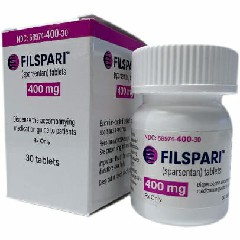
Secondly, hyperkalemia is another side effect to be aware of. Sparsentane may cause an increase in potassium ions in the blood, so doctors need to exercise caution and regularly monitor potassium levels in patients with impaired kidney function or those taking potassium-sparing medications.
In addition, anemia is a possible problem during treatment with sparsentane. This may be related to the drug's effect on kidney function, resulting in decreased production or increased destruction of red blood cells. Patients may need iron supplements or other related treatments to correct the anemia.
Acute kidney injury is a serious side effect of sparsentan treatment. This usually occurs in patients with poor underlying renal function or concomitant use of other antihypertensive medications. Therefore, it is crucial to regularly assess kidney function before and during treatment so that potential kidney damage can be detected and managed promptly.
Finally, sparsentane may also cause an increase in transaminases, suggesting that the drug may impose a certain burden on the liver. Therefore, patients need to regularly monitor liver function while taking sparsentan and receive hepatoprotective treatment when necessary.
In general, although sparsentane performs well in treatingIgAN, patients still need to pay close attention to their body's response during use and undergo regular examinations to monitor potential side effects. Reasonable adjustment of the treatment plan under the guidance of a doctor can ensure the safety and effectiveness of the medication to the greatest extent.
xa0
Reference link: https://www.drugs.com/filspari.html
[ 免责声明 ] 本页面内容来自公开渠道(如FDA官网、Drugs官网、原研药厂官网等),仅供持有医疗专业资质的人员用于医学药学研究参考,不构成任何治疗建议或药品推荐。所涉药品可能未在中国大陆获批上市,不适用于中国境内销售和使用。如需治疗,请咨询正规医疗机构。本站不提供药品销售或代购服务。


