
.jpeg)
The difference between pomalidomide and lenalidomide
Pomalidomide and lenalidomide are both important drugs for the treatment of multiple myeloma. They are immunomodulators and inhibit the growth and proliferation of tumor cells through different mechanisms. However, despite their similarities in therapeutic targets, there are significant differences in drug properties, mechanisms of action, and clinical applications.
Pomalidomide, as a derivative of rasatinib, regulates the function of the immune system by inhibiting the production of tumor necrosis factor (TNF), enhancing the activity of specific T cells, and inhibiting NF-κB. It is used to treat patients with multiple myeloma who have become resistant to other treatments, such as lenalidomide or bortezomib. The recommended dose of pomalidomide is usually 4 mg daily for 21 days of a 28-day treatment cycle, followed by 7 days off, and in combination with dexamethasone to enhance efficacy. However, the use of pomalidomide may be associated with a range of side effects, including neutropenia, anemia, thrombocytopenia, fatigue, constipation, diarrhea, back pain, bone pain, myalgia, nausea, vomiting, and loss of appetite.
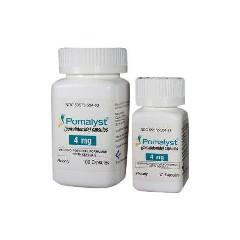
Lenalidomide, also a congener of rasartinib, has multiple effects of immunomodulation, anti-angiogenesis and anti-tumor. It inhibits tumor growth and proliferation by regulating cytokine production and cellular immune function. The recommended dose of lenalidomide is 25 mg daily for 21 days followed by 7 days off in a 28-day treatment cycle, in combination with dexamethasone. Similar to pomalidomide, lenalidomide may also cause a series of side effects, including neutropenia, anemia, thrombocytopenia, fatigue, constipation, diarrhea, rash, itching, edema, headache, dizziness, and insomnia.
In clinical applications, the choice between pomalidomide and lenalidomide usually depends on the patient's specific condition and treatment needs. Pomalidomide may be more suitable for patients who have developed resistance to other treatment options, while lenalidomide is more commonly used in patients with newly diagnosed multiple myeloma. However, the specific efficacy and side effects of these two drugs vary depending on individual differences, so you should consult a professional doctor before use and carry out individualized treatment according to the doctor's guidance.
xa0
Reference materials:https://pubmed.ncbi.nlm.nih.gov/19009291/
[ 免责声明 ] 本页面内容来自公开渠道(如FDA官网、Drugs官网、原研药厂官网等),仅供持有医疗专业资质的人员用于医学药学研究参考,不构成任何治疗建议或药品推荐。所涉药品可能未在中国大陆获批上市,不适用于中国境内销售和使用。如需治疗,请咨询正规医疗机构。本站不提供药品销售或代购服务。


