
.jpeg)
What is the role of pomalidomide in multiple myeloma?
Pomalidomide is an oral capsule that belongs to the class of immunomodulatory drugs and plays an important role in the treatment of multiple myeloma. Multiple myeloma is a malignant disease that occurs primarily in plasma cells in the bone marrow and is characterized by abnormal proliferation and accumulation, leading to bone destruction and dysfunction. Pomalidomide exerts significant therapeutic effects on multiple myeloma through its unique mechanism.
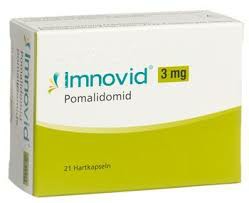
Pomalidomide plays a central role in the treatment of multiple myeloma in two ways. First, it helps the bone marrow produce normal blood cells. Patients with multiple myeloma are often accompanied by hematological abnormalities such as anemia and thrombocytopenia, which are caused by the infiltration and destruction of bone marrow by abnormal plasma cells. Pomalidomide, through its immunomodulatory effect, can improve the bone marrow microenvironment and promote the bone marrow to restore normal hematopoietic function, thereby increasing the number of normal blood cells and improving the patient's hematological indicators.
Secondly, pomalidomide enhances the ability of immune cells to kill abnormal cells in the bone marrow. The occurrence and development of multiple myeloma are related to abnormalities of the immune system, and pomalidomide can regulate the function of the immune system and enhance the activity of immune cells. It can promote the proliferation and activation of immune cells such as T cells and natural killer cells, and improve their ability to recognize and kill abnormal plasma cells. This immunomodulatory effect helps control the progression of multiple myeloma and prolong the survival of patients.
Overall, pomalidomide provides a new treatment option for multiple myeloma patients through its ability to promote normal hematopoiesis in the bone marrow and enhance immune cells to kill abnormal cells. However, when using pomalidomide, you also need to pay attention to its possible side effects and adverse reactions, such as hematological toxicity, infection, fatigue, etc. Therefore, when using pomalidomide, patients should communicate closely with their doctors, follow the doctor's instructions for medication, and regularly monitor changes in condition and treatment effects.
xa0
Reference materials:https://www.cancer.gov/types/myeloma/research/pomalidomide-dexamethasone
[ 免责声明 ] 本页面内容来自公开渠道(如FDA官网、Drugs官网、原研药厂官网等),仅供持有医疗专业资质的人员用于医学药学研究参考,不构成任何治疗建议或药品推荐。所涉药品可能未在中国大陆获批上市,不适用于中国境内销售和使用。如需治疗,请咨询正规医疗机构。本站不提供药品销售或代购服务。


