
.jpeg)
Should people with pulmonary fibrosis take nintedanib for life?
Pulmonary fibrosis, especially idiopathic pulmonary fibrosis (IPF), is a progressive disease that causes lung tissue to be gradually replaced by scar tissue, affecting the patient's respiratory function. Nintedanib is a treatment drug for pulmonary fibrosis that can effectively slow the progression of the disease. If a patient is diagnosed with idiopathic pulmonary fibrosis, doctors usually recommend long-term use of nintedanib in order to control the progression of the disease and improve the quality of life.
Although nintedanib has shown good results in slowing disease progression, whether it needs to be taken for life depends on the specific circumstances of the individual. In clinical studies, nintedanib slowed the progression of dyspnea and fatigue as lung function declined, stabilized the effects of pulmonary fibrosis, and may actually improve coughing. This is an important finding for patients: antifibrotic treatments may actually have an impact on how they feel. Importantly, the effect of nintedanib was not limited to patients with high or low symptom burden at baseline or to any specific ILD subtype.
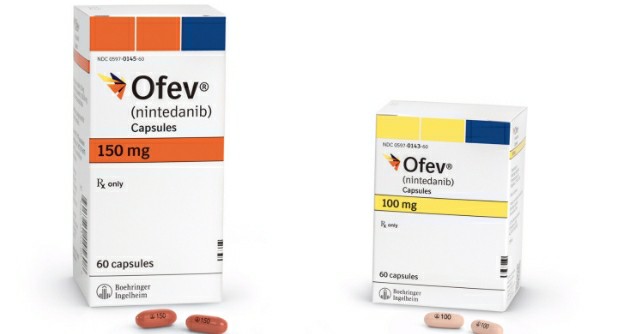
For some patients, especially if detected early and treated aggressively, nintedanib may help them achieve a better prognosis and reduce the risk of their condition worsening. However, long-term use of any drug may be accompanied by side effects. Common side effects of nintedanib in clinical trials include diarrhea, nausea, abnormal liver function, etc. Therefore, patients need to regularly monitor their physical condition during use so that adverse reactions can be detected and dealt with early.
The decision to use nintedanib long-term is usually made by the patient's physician based on a number of factors, including the patient's age, general health, rate of disease progression, and tolerance to the drug. Some patients may experience stabilization or even improvement of their condition after a period of treatment. At this time, doctors may consider adjusting the treatment plan, or gradually reduce or discontinue the drug under strict monitoring.
Reference materials:https://pmc.ncbi.nlm.nih.gov/articles/PMC11247642/
[ 免责声明 ] 本页面内容来自公开渠道(如FDA官网、Drugs官网、原研药厂官网等),仅供持有医疗专业资质的人员用于医学药学研究参考,不构成任何治疗建议或药品推荐。所涉药品可能未在中国大陆获批上市,不适用于中国境内销售和使用。如需治疗,请咨询正规医疗机构。本站不提供药品销售或代购服务。


