
.jpeg)
The efficacy of nintedanib in advanced pulmonary fibrosis
Nintedanib (Nintedanib) is a new type of anti-fibrotic drug, mainly used to treat idiopathic pulmonary fibrosis (IPF), chronic fibrotic interstitial lung disease (ILD) and systemic sclerosis-related interstitial lung disease (SSc-ILD). For patients with advanced pulmonary fibrosis, the effectiveness and efficacy of nintedanib have received widespread attention. This article will discuss in detail the application and efficacy of nintedanib in patients with advanced pulmonary fibrosis.
Advanced pulmonary fibrosis is often accompanied by significant decline in lung function and dyspnea, resulting from progressive scarring of lung tissue. Due to the irreversibility of the disease, the quality of life of late-stage patients is significantly reduced and they often face serious health threats. In this case, the main goal of treatment with nintedanib is to slow the progression of the disease and improve the patient's quality of life.
According to clinical studies, nintedanib can effectively slow down the decline of lung function. Four major clinical trials involving patients with different types of pulmonary fibrosis have provided important data on the efficacy of nintedanib. For example, in patients with idiopathic pulmonary fibrosis (IPF), two large studies showed that those taking nintedanib had significantly lower lung function declines over a one-year period than those who received a placebo. Specifically, mean forced vital capacity (FVC) before treatment was between 2,600 and 2,700 milliliters, and patients treated with nintedanib experienced an average decrease in FVC of 115 milliliters over one year, compared with 240 milliliters in the placebo group. This shows that nintedanib can effectively slow down the progression of IPF patients and delay further decline in lung function.
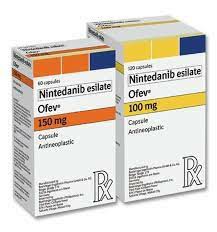
Nintedanib also demonstrated promising efficacy in patients with systemic sclerosis-related interstitial lung disease and progressive fibrosing interstitial lung disease. In studies of systemic sclerosis-related interstitial lung disease, the average decrease in FVC in the nintedanib group was 52 ml, compared with 93 ml in the placebo group. In patients with progressive fibrotic interstitial lung disease, the average decrease in FVC in the nintedanib group was 81 ml, compared with 188 ml in the placebo group, showing a clear advantage. These results indicate that nintedanib not only slows the progression of idiopathic pulmonary fibrosis, but also has a positive effect on other types of chronic fibrotic interstitial lung disease.
It is worth noting that although nintedanib is excellent at slowing the decline of lung function, individual differences and potential adverse reactions still need to be considered in its application. Some patients may experience side effects such as gastrointestinal discomfort and abnormal liver function during treatment. Therefore, when formulating treatment plans for patients with advanced pulmonary fibrosis, doctors should comprehensively consider the patient's overall condition, including lung function level, comorbidities, and patient tolerance, to ensure the safety and effectiveness of the treatment.
In conclusion, nintedanib, as an effective antifibrotic drug, provides a new treatment option for patients with advanced pulmonary fibrosis. By slowing down the decline of lung function and improving patients' quality of life, nintedanib has shown important clinical value in clinical applications.
Reference materials:https://www.ema.europa.eu/en/medicines/human/EPAR/ofev
[ 免责声明 ] 本页面内容来自公开渠道(如FDA官网、Drugs官网、原研药厂官网等),仅供持有医疗专业资质的人员用于医学药学研究参考,不构成任何治疗建议或药品推荐。所涉药品可能未在中国大陆获批上市,不适用于中国境内销售和使用。如需治疗,请咨询正规医疗机构。本站不提供药品销售或代购服务。


