
.jpeg)
Detailed explanation of upadatinib side effects and coping strategies
Upadatinib is a new type of drug that is a JAK inhibitor. It is mainly used to treat a variety of autoimmune diseases, such as rheumatoid arthritis, psoriatic arthritis and atopic dermatitis. It regulates the function of the immune system by selectively inhibiting the activity of JAK enzyme, thereby reducing the inflammatory response, improving symptoms and improving the patient's quality of life. With the deepening of the understanding of autoimmune diseases, upadatinib is accepted by more and more doctors and patients and has become an important choice for clinical treatment. However, like all medications, the use of upadatinib may be associated with a range of possible side effects, which are detailed in this article.
Common side effects of upadacitin include flu-like symptoms, such as fever, fatigue, and muscle aches; nausea, vomiting, and stomach pain; skin problems, such as acne or rash; and neurological reactions, including headache and tiredness. Additionally, patients may experience weight gain and folliculitis. For patients with low white blood cell counts, special attention should be paid to symptoms such as fever, mouth or skin sores, and sore throat. Also, a low red blood cell count can lead to symptoms such as pale skin and fatigue.
Patients should pay special attention to signs of allergic reaction, such as difficulty breathing, swelling of the face, lips, tongue, or throat while using upadacitinib, which require immediate medical attention. In addition, upadacitinib may affect the immune system and cause abnormal growth of certain white blood cells. If you develop fever, swollen glands, night sweats, persistent vomiting, diarrhea, or weight loss, you should contact your doctor promptly.
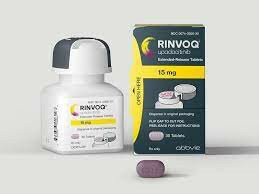
In addition, some upadacitinib users may be at risk for heart attack, stroke, or serious blood clots and should seek emergency medical attention if they experience: symptoms of a heart attack, such as chest pain or pressure, pain radiating to the jaw or shoulders, nausea, and sweating; signs of stroke Signs include sudden numbness or weakness (especially on one side of the body), severe headache, slurred speech, and vision or balance problems; signs of a blood clot in the lungs, such as chest pain, sudden cough or shortness of breath, dizziness, and coughing up blood; signs of a deep blood clot, such as pain, swelling, or warmth in one leg.
Additionally, using upadacitinib may cause some serious side effects. If you develop symptoms such as wheezing, difficulty breathing, worsening cough, increased urination with pain or burning, fever with chills, cough with mucus, chest pain, and shortness of breath, you should seek medical attention immediately. There are also some less common but serious side effects, such as tuberculosis, herpes zoster, infectious symptoms, gastrointestinal perforation, and hepatitis, and patients need to be closely monitored to ensure the safety of the medication.
In the face of these side effects, patients should pay attention to their physical reactions during treatment. If they feel uncomfortable, record the relevant symptoms in a timely manner and discuss with their doctor whether the treatment plan needs to be adjusted. Mild side effects, such as flu-like symptoms, can be relieved by proper rest and hydration, but if symptoms are severe, you need to seek medical attention promptly.
In short, upadatinib, as a new type of therapeutic drug, has certain side effects, but through reasonable monitoring and response measures, it can effectively reduce the risk and help patients better manage autoimmune diseases. Patients should maintain good communication and conduct regular inspections during use to achieve safe and effective treatment goals.
References:
https://www.drugs.com/rinvoq.html
[ 免责声明 ] 本页面内容来自公开渠道(如FDA官网、Drugs官网、原研药厂官网等),仅供持有医疗专业资质的人员用于医学药学研究参考,不构成任何治疗建议或药品推荐。所涉药品可能未在中国大陆获批上市,不适用于中国境内销售和使用。如需治疗,请咨询正规医疗机构。本站不提供药品销售或代购服务。


