
.jpeg)
Brief description of the instructions for use and precautions for Upatinib
Upadatinib, as a new type of small molecule drug, has emerged in the treatment of autoimmune diseases in recent years, bringing new hope to patients with various diseases such as rheumatoid arthritis, ankylosing spondylitis, non-radiographic axial spondyloarthritis, psoriatic arthritis, atopic dermatitis, ulcerative colitis and Crohn's disease. However, proper use of upapatinib and understanding of its precautions are critical to ensuring the safety and effectiveness of the treatment.
For routine adult patients with rheumatoid arthritis, ankylosing spondylitis, and nonradiographic axial spondyloarthritis, the recommended dose of upadacitinib is 15 mg orally once daily. This dose is also used in adults with psoriatic arthritis. For the treatment of atopic dermatitis, the initial dose is 15 mg PO once daily in pediatric patients 12 years and older weighing at least 40 kg and in adults younger than 65 years. The maximum dose may be increased to 30 mg PO once daily, subject to adjustment if there is no response to the initial dose. Adult patients 65 years and older should maintain a once-daily dose of 15 mg.
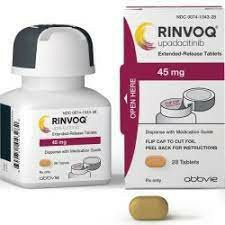
Upadatinib is administered in slightly different regimens for the treatment of ulcerative colitis and Crohn's disease. For adults with ulcerative colitis, the induction dose is 45 mg once daily for 8 weeks. The maintenance dose is 15 mg once daily. For patients with refractory, severe, or extensive disease, an increase in the maintenance dose to 30 mg once daily may be considered. If the 30 mg dose still cannot achieve sufficient therapeutic effect, the medication should be discontinued. For adults with Crohn's disease, the induction dose is 45 mg once daily for 12 weeks. The maintenance dose is 15 mg once daily. For patients with refractory, severe, or extensive disease, a maintenance dose of 30 mg once daily may be considered. If adequate therapeutic effect is not achieved with the 30 mg dose, discontinue use. Use the lowest effective dose needed to maintain response.
During the use of Upatinib, patients need to pay special attention to the following points: First, since Upatinib may affect the immune system, vaccination with "live" vaccines should be avoided during use to avoid serious infections. Secondly, grapefruit may interact with upadatinib, increasing the risk of side effects, so patients should avoid consuming grapefruit products or beverages while taking the drug.
In addition, patients should pay close attention to their physical condition and communicate with their doctor in time if they experience any discomfort or abnormal reactions. At the same time, regular monitoring of blood routine, liver function and other indicators is also essential in order to detect and deal with possible side effects in a timely manner.
In conclusion, upadatinib provides a new option for the treatment of various autoimmune diseases, but correct use and understanding of its precautions are crucial to ensure the safety and effectiveness of the treatment. Patients should use medications rationally under the guidance of a doctor, pay close attention to their physical condition, communicate with the doctor in a timely manner and adjust the treatment plan to obtain therapeutic effects.
References:
https://www.drugs.com/rinvoq.html
[ 免责声明 ] 本页面内容来自公开渠道(如FDA官网、Drugs官网、原研药厂官网等),仅供持有医疗专业资质的人员用于医学药学研究参考,不构成任何治疗建议或药品推荐。所涉药品可能未在中国大陆获批上市,不适用于中国境内销售和使用。如需治疗,请咨询正规医疗机构。本站不提供药品销售或代购服务。


