
.jpeg)
Does the use of linezolid increase the likelihood of fungal infections?
Linezolid is a synthetic oxazolidinone antibiotic that has strong antibacterial activity against a variety of Gram-positive bacteria and is commonly used to treat various infections caused by sensitive bacteria.
To be clear, linezolid is not an antifungal drug per se. Its main mechanism of action is to interfere with the synthesis process of bacterial cell walls, thereby achieving the purpose of sterilization. Therefore, from the nature of the drug itself, linezolid does not directly cause fungal infections.
In clinical practice, long-term use of antibiotics, including linezolid, may lead to dysbiosis in the human body, thereby increasing the risk of fungal infections. This is because while antibiotics kill sensitive bacteria, they may also affect the balance of normal flora in the body, giving some originally disadvantaged fungi the opportunity to overgrow, leading to fungal infections.
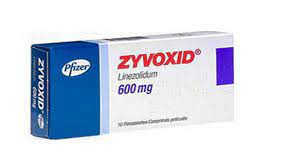
Some studies have shown that long-term use of linezolid may lead to intestinal flora imbalance, thereby increasing the risk of fungal infections. This infection may manifest as Candida infection of the mouth, vagina, and skin, as well as pseudomembranous colitis. In addition, linezolid may also affect the production of platelets in the bone marrow, leading to thrombocytopenia, thereby increasing the patient's risk of bleeding. Bleeding and other conditions may also indirectly lead to an increased risk of infection.
In order to reduce the risk of fungal infection caused by long-term use of linezolid and avoid unnecessary use of antibiotics, use linezolid strictly in accordance with the indications and medication guidelines. Regularly monitor the patient's physical condition, especially the health of the oral cavity, vagina, and skin, and promptly detect and treat signs of fungal infection. For high-risk patients, such as those who are immunocompromised, take long-term antibiotics, or have a history of fungal infections, prophylactic antifungal medications may be considered.
If the patient develops symptoms of fungal infection during treatment, the doctor may adjust the treatment plan according to the specific situation, such as discontinuing linezolid or adding antifungal drugs.
References:
https://pubmed.ncbi.nlm.nih.gov/18707190/
[ 免责声明 ] 本页面内容来自公开渠道(如FDA官网、Drugs官网、原研药厂官网等),仅供持有医疗专业资质的人员用于医学药学研究参考,不构成任何治疗建议或药品推荐。所涉药品可能未在中国大陆获批上市,不适用于中国境内销售和使用。如需治疗,请咨询正规医疗机构。本站不提供药品销售或代购服务。


