
.jpeg)
How long does it take to stop taking capmatinib?
Capmatinib is a targeted drug commonly used to treat patients with non-small cell lung cancer (NSCLC) carrying exon 14 skipping mutations. The length of the treatment cycle is usually determined based on the patient's response to treatment and tolerance of side effects. For patients who respond well, treatment can last longer. Generally speaking, when patients receive capmatinib treatment, they usually undergo regular medical evaluation so that the treatment plan can be adjusted in a timely manner. The decision to discontinue medication is usually made by the doctor based on changes in the patient's condition.
The main therapeutic goal of capmatinib is to control the disease and slow down the growth and metastasis of tumors. For those patients whose disease progresses slowly and responds well to treatment, their doctor may recommend continued medication to keep their condition stable. However, the timing and method of drug withdrawal will depend on the patient's specific condition and signs, such as the size of the tumor, the patient's overall health, and whether drug resistance has developed.
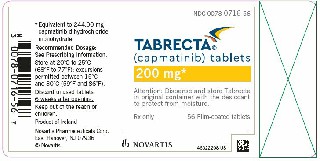
Clinical considerations for discontinuation include whether the patient has developed drug resistance, serious side effects, or other unacceptable reactions. Capmatinib may induce drug resistance after long-term use, especially when MET-mutated tumor cells become resistant to the drug. At this time, the doctor may consider discontinuing the medication and switching to other medications or treatments. Therefore, patients should not decide to discontinue medication on their own and must do so under the guidance of a doctor.
Progression-free survival (PFS) is an important criterion for evaluating the effect of capmatinib treatment. Generally speaking, if a patient's tumor stabilizes or shrinks during treatment and no serious side effects occur, treatment may continue. If the patient's condition progresses, the doctor may recommend stopping the medication and considering other treatment options. Patients should work closely with their doctor and undergo regular check-ups to assess efficacy and side effects to decide whether to continue taking the medication.
Even after capmatinib treatment ends, patients still need to continue to have regular check-ups to monitor changes in their condition. After stopping the drug, some patients may experience relapse or disease rebound, so doctors usually recommend continued monitoring, such as imaging examinations and biomarker testing. Additionally, patients may consider other medications or treatments to prevent the cancer from coming back.
xa0
Reference materials
FDA Capmatinib Approval Information -
https://www.fda.gov/drugs/drug-approvals-and-databases/tabrecta-capmatinib
[ 免责声明 ] 本页面内容来自公开渠道(如FDA官网、Drugs官网、原研药厂官网等),仅供持有医疗专业资质的人员用于医学药学研究参考,不构成任何治疗建议或药品推荐。所涉药品可能未在中国大陆获批上市,不适用于中国境内销售和使用。如需治疗,请咨询正规医疗机构。本站不提供药品销售或代购服务。


