
.jpeg)
Capmatinib patient dosage and usage
Capmatinib is a targeted drug mainly used to treat non-small cell lung cancer (NSCLC), especially for patients carrying MET exon 14 skipping mutations. The following are general dosage and usage guidelines for capmatinib:
1. Dosage and frequency
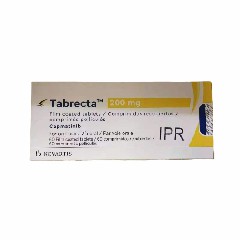
The recommended dose of capmatinib is 400 mg twice daily (two 200 mg tablets). Patients should take the medication at the same time each day, preferably after a meal. Fasting should be avoided when taking capmatinib, as the presence of food can help better absorption of the drug and reduce gastrointestinal discomfort. If a patient misses a dose, it should be taken as soon as possible that day, but if it is close to the next dose, the missed dose should be skipped and not two doses taken at once.
2. Routes of administration
Capmatinib is an oral medication, usually available in tablet form. Patients should take capmatinib correctly as directed by their doctor and avoid breaking, chewing, or crushing the medication, as this may affect the absorption or effectiveness of the medication. To avoid adverse effects, capmatinib should be taken with food, and patients should maintain adequate fluid intake while taking the drug.
3. Dose adjustment and individualized treatment
The dose of capmatinib may be adjusted based on the patient's specific condition. For some selected patients, dose adjustment may be necessary, especially if serious side effects occur. For example, in the event of severe liver dysfunction, skin reactions, or respiratory reactions, your doctor may recommend reducing the dose or discontinuing the drug. Generally speaking, if resistance or side effects occur, the dosage should be adjusted according to the doctor's advice. Patients should undergo regular blood tests and other physiological examinations to monitor the effects and side effects of treatment.
4. Discontinue medication or suspend treatment
If a patient develops serious side effects (such as severe pneumonia, liver damage, or other life-threatening complications), the doctor may recommend suspending treatment or stopping capmatinib. Capmatinib may cause serious adverse reactions in some patients, especially with longer treatment courses. In this case, the doctor will decide whether to continue treatment or adjust the medication regimen based on the patient's overall health and response to treatment.
5. Monitoring and follow-up during medication
Patients need to undergo regular follow-up while taking capmatinib, including imaging examinations and biochemical examinations, to monitor the therapeutic effects and side effects of the drug. Especially in the early stages of medication, doctors will pay close attention to the patient's clinical response and adjust the treatment plan as needed. The effectiveness of treatment is usually evaluated through imaging tests such as CT scans and MRI, as well as markers in the blood to determine whether the tumor has changed.
For patients with non-small cell lung cancer carrying METexon14 mutations, capmatinib generally has a better therapeutic effect, but there are also some possible drug resistance issues. Therefore, during the treatment process, patients should communicate with their doctors regularly and report any uncomfortable symptoms or side effects in a timely manner to ensure the best treatment effect.
xa0
Reference materials
FDA Capmatinib Approval Information -
https://www.fda.gov/drugs/drug-approvals-and-databases/tabrecta-capmatinib
[ 免责声明 ] 本页面内容来自公开渠道(如FDA官网、Drugs官网、原研药厂官网等),仅供持有医疗专业资质的人员用于医学药学研究参考,不构成任何治疗建议或药品推荐。所涉药品可能未在中国大陆获批上市,不适用于中国境内销售和使用。如需治疗,请咨询正规医疗机构。本站不提供药品销售或代购服务。


