
.jpeg)
Side effects and severity of Lao version of venetoclax
The Lao version of venetoclax (Venetoclax), this new targeted drug, is widely used in the treatment of hematological tumors such as chronic lymphocytic leukemia (CLL) and small lymphocytic lymphoma (SLL). However, like many anti-cancer drugs, this drug may also come with a range of side effects. It is important for patients and doctors to have a good understanding of these side effects and their severity.
The most common side effects seen in patients after using venetoclax are laboratory abnormalities, such as decreased white blood cell, platelet, and red blood cell counts. These changes may increase the risk of infection, anemia, and bleeding. In addition, patients may experience diarrhea, nausea, vomiting, upper respiratory tract infection, cough, muscle and joint pain, and fatigue. Swelling may also occur in the arms, legs, hands, and feet.
However, venetoclax can also cause some more serious side effects. One of them is tumor lysis syndrome (TLS), a rare but potentially life-threatening side effect that can lead to kidney failure and even require dialysis. TLS is caused by the rapid breakdown of cancer cells. Doctors will assess a patient's risk of TLS before treatment and take steps to reduce this risk. Once TLS symptoms such as fever, chills, nausea, and vomiting occur, patients should inform their doctor immediately.
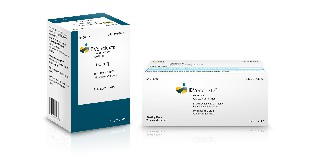
Neutropenia, a common and serious side effect of venetoclax, is a significant decrease in white blood cell count, which increases the risk of infection. The doctor will regularly monitor the patient's blood count and adjust the treatment plan based on the actual situation. In addition, serious infections such as pneumonia and sepsis may occur during treatment, which require close attention and prompt treatment by doctors.
Venetoclax should be used with special caution in women who are planning to become pregnant or who are already pregnant, and in men who are concerned about their fertility. This drug may cause harm to a fetus and may affect male fertility. Therefore, you should use effective contraceptive measures while taking venetoclax and for a period after stopping the drug, and consult a doctor about fertility issues.
In addition, venetoclax may cause allergic reactions, with symptoms including hives, difficulty breathing, and facial swelling. At the first sign of an allergic reaction, patients should seek immediate medical attention.
In short, the Lao version of venetoclax is of great significance in the treatment of hematological tumors, but its potential side effects require great attention. Patients need to fully understand the relevant side effects before taking the medication, and conduct close monitoring and management under the guidance of a physician. Once any discomfort occurs, you should communicate with your doctor immediately so that the treatment plan can be adjusted in a timely manner to ensure the safety of the treatment.
References:
https://www.drugs.com/venclexta.html
xa0
[ 免责声明 ] 本页面内容来自公开渠道(如FDA官网、Drugs官网、原研药厂官网等),仅供持有医疗专业资质的人员用于医学药学研究参考,不构成任何治疗建议或药品推荐。所涉药品可能未在中国大陆获批上市,不适用于中国境内销售和使用。如需治疗,请咨询正规医疗机构。本站不提供药品销售或代购服务。


