
.jpeg)
How to take capmatinib and dosage
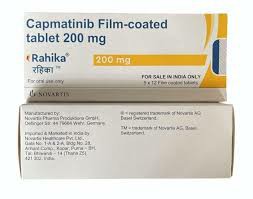
Capmatinib is a targeted therapy drug mainly used to treat non-small cell lung cancer (NSCLC) caused by MET gene mutations. The method of taking and dosage vary according to the patient's specific condition and the doctor's recommendations. The following are the general taking methods and recommended dosage, but patients should strictly follow the doctor's prescription guidance when using it.
1.How to take
Capmatinib is usually taken as an oral tablet. To improve drug absorption, patients are advised to take capmatinib with meals. The medicine should be swallowed whole without chewing or crushing the tablet. If you miss a dose for any reason, do not take the next dose at the next time. Instead, continue taking the next dose at the normal time. If missed doses occur for an extended period of time, patients are advised to consult their physician to determine what to do.
2.Recommended dosage
The recommended starting dose of capmatinib is 400 mg twice daily. Patients should follow this dosage until unacceptable side effects occur or a situation requires dosage adjustment. Physicians may adjust dosage based on patient tolerance and clinical response. If serious side effects occur (such as abnormal liver function or lung complications), your doctor may reduce the dose or suspend the medication.
During treatment, patients need to undergo regular clinical examinations and laboratory tests to ensure the efficacy of the drug and monitor possible side effects. Based on the examination results, the doctor will make adjustments based on the patient's specific conditions and may need to stop treatment or adjust the dosage.
3.Drug interactions
Capmatinib may interact with other drugs, affecting their efficacy or increasing the risk of side effects. Before starting capmatinib, patients should tell their doctor about all the medications they are taking, including prescription, over-the-counter, and herbal medicines. In particular, drugs that affect the activity of hepatic enzymes may affect the metabolism of capmatinib, resulting in changes in drug concentrations.
4.Notes
Liver function monitoring: Capmatinib may affect liver function, so liver function needs to be checked regularly during use. If liver function abnormalities are found, the dose may need to be reduced or discontinued.
Pregnancy and lactation: Capmatinib may be harmful to the fetus and should not be used by pregnant women. The safety of capmatinib during breastfeeding is unknown and its use should be avoided by nursing women.
Pulmonary function monitoring: Because capmatinib may cause pulmonary complications, patients should pay attention to respiratory symptoms, such as shortness of breath or cough, during treatment, and seek medical attention promptly.
Individual differences among patients: The dose of capmatinib should be adjusted according to the patient's physical condition, tolerance and occurrence of side effects. All adjustments should be guided by a professional doctor.
xa0
Reference materials
1.Official website of Novartis:https://www.novartis.com
2.United StatesFDAInstructions on capmatinib:https://www.fda.gov
[ 免责声明 ] 本页面内容来自公开渠道(如FDA官网、Drugs官网、原研药厂官网等),仅供持有医疗专业资质的人员用于医学药学研究参考,不构成任何治疗建议或药品推荐。所涉药品可能未在中国大陆获批上市,不适用于中国境内销售和使用。如需治疗,请咨询正规医疗机构。本站不提供药品销售或代购服务。


