
.jpeg)
What is the effect of capmatinib combined with dacomitinib?
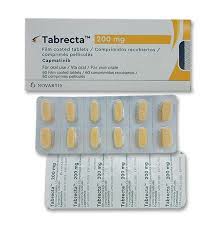
Capmatinib) and dacomitinib (Dacomitinib) are two targeted therapies used to treat M Non-small cell lung cancer (NSCLC) associated with ETgene mutations and EGFRgene mutations. The two are often considered as a combined drug regimen in clinical treatment, especially in patients who are unsatisfactory for single drug treatment.
1. Drug mechanism and indications
Capmatinib is a MET inhibitor that mainly reduces the proliferation and growth of tumor cells by inhibiting the activity of MET receptor tyrosine kinase. It is primarily used to treat patients with non-small cell lung cancer who have MET gene amplification or MET mutations. Dacomitinib is an EGFR tyrosine kinase inhibitor that is mainly used to treat EGFR mutation-positive non-small cell lung cancer, especially those that are resistant to the T790M mutation and other EGFR variants.
2. Theoretical basis for joint use
Since the MET and EGFR signaling pathways play an important role in the occurrence and development of non-small cell lung cancer, the combined use of capmatinib and dacomitinib can interfere with tumor growth in multiple aspects. Specifically, capmatinib prevents the proliferation of tumor cells by inhibiting the MET pathway, while dacomitinib further inhibits tumor cells by inhibiting the EGFR pathway.
This combination treatment strategy is particularly suitable for patients with both EGFR mutations and MET amplification. In such patients, single drug therapy often fails to adequately inhibit tumor growth, so combination therapy can provide broader inhibition and thus improve treatment efficacy.
3. Clinical research and effects
Clinical studies have shown that the combination of capmatinib and dacomitinib has achieved ideal therapeutic effects in some patients with non-small cell lung cancer. For example, in patients with MET amplification or EGFR mutation, combination therapy can significantly extend progression-free survival (PFS) and reduce the risk of tumor recurrence or metastasis. In addition, the combination regimen was relatively well tolerated, and although some patients may experience side effects such as gastrointestinal discomfort and rash, most of these side effects were mild or moderate.
4. Advantages in clinical application
The combination therapy of capmatinib and dacomitinib provides dual inhibition based on targeting different gene mutations, which can theoretically overcome the drug resistance of tumor cells through a single mechanism. Particularly in patients with non-small cell lung cancer, combination therapy provides an effective treatment option for patients with both EGFR mutations and MET amplification. Compared with single drug therapy, combination regimens have better efficacy, especially when patients develop drug resistance.
5. Challenges and prospects of combination therapy
Despite the significant efficacy of capmatinib and dacomitinib combination therapy, several challenges remain. First, combination therapy may increase the risk of side effects, particularly with regard to liver function, renal function, and gastrointestinal tract. Secondly, for patients with different genotypes, the choice of treatment options needs to be individualized, and treatment strategies should be adjusted according to the patient's specific genetic mutations. In the future, with the accumulation of more clinical data and research progress, the indications for combination therapy may be further expanded and the treatment plan will be more precise.
The combination of capmatinib and dacomitinib provides an effective treatment option for the treatment of non-small cell lung cancer with EGFR mutations and MET amplification. Although combination therapy can significantly improve efficacy, patients receiving this treatment need to be closely monitored for side effects and have their treatment regimen adjusted on a case-by-case basis. As further clinical trials and research progress, the efficacy and safety of combination therapy may be more fully verified.
xa0
References
1.Official website of Novartis:https://www.novartis.com
2.United StatesFDAInstructions on capmatinib and dacomitinib:https://www.fda.gov
[ 免责声明 ] 本页面内容来自公开渠道(如FDA官网、Drugs官网、原研药厂官网等),仅供持有医疗专业资质的人员用于医学药学研究参考,不构成任何治疗建议或药品推荐。所涉药品可能未在中国大陆获批上市,不适用于中国境内销售和使用。如需治疗,请咨询正规医疗机构。本站不提供药品销售或代购服务。


