
.jpeg)
What should I do if I develop resistance to axitinib/axitinib?
Axitinib/Axitinib is a tyrosine kinase inhibitor targeting the vascular endothelial growth factor receptor (VEGFR) and is mainly used to treat advanced renal cell carcinoma. However, similar to other targeted drugs, resistance may develop after long-term use. In the face of axitinib resistance, it is first necessary to clarify the mechanism of resistance and the molecular characteristics of the tumor through comprehensive clinical evaluation and molecular testing, so as to formulate an individualized follow-up treatment plan.
One common coping strategy is to switch to other targeted drugs. For example, other VEGFR inhibitors such as Sorafenib or Pazopanib may be considered, and these drugs may inhibit tumor angiogenesis through different mechanisms of action. In addition, mTOR inhibitors, such as everolimus or temsirolimus, may also be an option, especially for patients who are resistant to VEGFR inhibitors.
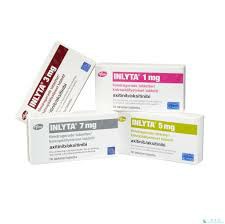
For some patients, immune checkpoint inhibitors may be a more effective option. In recent years, immunotherapy represented by PD-1/PD-L1 inhibitors (such as Nivolumab or Pembrolizumab) and CTLA-4 inhibitors (such as Ipilimumab) has shown significant clinical benefits in renal cell carcinoma. Especially for patients who are resistant to targeted therapies, immunotherapy may inhibit tumor growth by activating the patient's immune system.
In addition, combined treatment strategies have gradually become a research hotspot. For example, the combination of targeted drugs and immunotherapy (such as axitinib plus pembrolizumab) has shown better efficacy in some clinical trials. Combination therapy may overcome drug resistance by simultaneously inhibiting tumor angiogenesis and enhancing immune responses.
Reference materials:https://www.pfizermedicalinformation.com/inlyta/warnings
[ 免责声明 ] 本页面内容来自公开渠道(如FDA官网、Drugs官网、原研药厂官网等),仅供持有医疗专业资质的人员用于医学药学研究参考,不构成任何治疗建议或药品推荐。所涉药品可能未在中国大陆获批上市,不适用于中国境内销售和使用。如需治疗,请咨询正规医疗机构。本站不提供药品销售或代购服务。


