
.jpeg)
The efficacy of Trientine in the treatment of hepatolenticular degeneration
Trientine is a drug used to treat hepatolenticular degeneration (Wilson's disease). It mainly reduces copper levels in the body through its chelation of copper. Hepatolenticular degeneration is a genetic disease in which abnormal copper metabolism in the body causes copper to gradually accumulate in the liver, brain and other tissues, causing corresponding damage. As a non-ammonium-based diamine compound, trientine can combine with free copper ions to form a complex, allowing it to be excreted through urine, thereby effectively reducing the copper load in the body.
Clinical studies have shown that patients receiving long-term penicillamine therapy often experience severe clinical deterioration after abrupt discontinuation of the drug. For example, in one study of 11 patients who had been receiving penicillamine for many years and then discontinued the drug, eight died of hepatic decompensation or fulminant hepatitis in just 2.6 years. This finding suggests that discontinuation of penicillamine can lead to rapid clinical deterioration and even life-threatening consequences in patients with Wilson's disease. Among the other 13 patients who stopped penicillamine treatment due to serious adverse reactions and switched to trientine, most of the patients were still alive after 2 to 15 years of follow-up, showing the important value of trientine in improving patient prognosis.
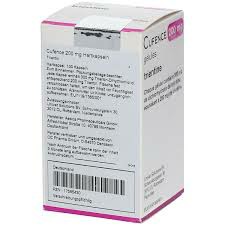
The therapeutic principle of trientine is to chelate excess copper ions in the body and promote their excretion, thereby effectively reducing the copper load in the body. Compared with penicillamine, trientine is better tolerated and has relatively fewer side effects, which allows some people who have allergic reactions or intolerance to penicillamine to be effectively treated. In addition, trientine's safety profile in long-term use has given physicians more confidence as an alternative to penicillamine.
The application of trientine can not only effectively control copper accumulation, but also improve patients' quality of life. Through clinical observation, it was found that those patients who used trientine instead of penicillamine had significantly relieved symptoms and improved biochemical indicators, and most patients maintained good health status during long-term follow-up. All this indicates that trientine has important clinical significance in the treatment of Wilson's disease.
Reference materials:https://www.cghjournal.org/article/s1542-3565(13)00409-6/fulltext
[ 免责声明 ] 本页面内容来自公开渠道(如FDA官网、Drugs官网、原研药厂官网等),仅供持有医疗专业资质的人员用于医学药学研究参考,不构成任何治疗建议或药品推荐。所涉药品可能未在中国大陆获批上市,不适用于中国境内销售和使用。如需治疗,请咨询正规医疗机构。本站不提供药品销售或代购服务。


