
.jpeg)
What diseases does Trientine Hydrochloride Capsules treat?
Trientine hydrochloride (Trientine) capsules are mainly used to treat Wilson's disease, a hereditary disease caused by disorders of copper metabolism in the body. The basic pathology of Wilson's disease is that the liver cannot effectively eliminate excess copper, resulting in the accumulation of copper in the body, causing a series of damage to the liver, nervous system and other organs. The disease usually develops in childhood or adolescence, but symptoms may also appear in adulthood.
Trientine hydrochloride is a diamine chelating agent. Its mechanism of action is mainly by combining with copper ions in the body to form a soluble complex, thereby promoting the excretion of copper and reducing the accumulation of copper in the body. The use of this drug provides an effective treatment option for patients with Wilson's disease, especially those who have had a poor response to or intolerance to the traditional treatment drug penicillamine (D-penicillamine).
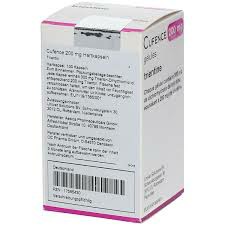
Clinical studies have shown that trientine hydrochloride is well tolerated in long-term use and has relatively fewer side effects than penicillamine. After patients receive trientine treatment, their biochemical indicators, such as serum copper levels and urinary copper excretion, can often be significantly improved. In addition, patients' clinical symptoms, such as abnormal liver function and neurological manifestations, will also be relieved. This makes trientine hydrochloride an important alternative treatment option for patients with Wilson disease.
In addition to being used alone, trientine hydrochloride is sometimes used in combination with other treatment options to increase efficacy and further control the condition. When faced with individualized treatment, many clinicians will comprehensively consider the combined use of trientine and other drugs based on the patient's specific conditions to achieve the best therapeutic effect.
During the course of medication, doctors usually monitor the patient's liver function and copper levels regularly to evaluate the treatment effect and adjust the medication regimen. This dynamic management ensures patient safety and effectiveness during treatment. In addition, because Wilson's disease is a lifelong disease, patients require long-term follow-up and management to prevent reaccumulation of copper and recurrence of the disease.
Reference materials:https://tremorjournal.org/articles/10.5334/tohm.435
[ 免责声明 ] 本页面内容来自公开渠道(如FDA官网、Drugs官网、原研药厂官网等),仅供持有医疗专业资质的人员用于医学药学研究参考,不构成任何治疗建议或药品推荐。所涉药品可能未在中国大陆获批上市,不适用于中国境内销售和使用。如需治疗,请咨询正规医疗机构。本站不提供药品销售或代购服务。


