
.jpeg)
What are the common side effects of gosatuzumab?
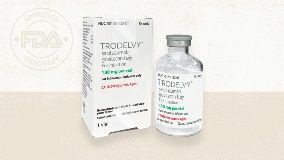
Gosatuzumab (Trodelvy, generic name: Sacituzumab Govitecan) is an antibody drug conjugate (ADC) mainly used to treat advanced cancers such as triple-negative breast cancer (TNBC) and urothelial carcinoma (UC). Although the drug shows good efficacy in prolonging patient survival, it also induces a series of side effects that may affect the patient's quality of life and therefore require close attention and management.
1. Myelosuppression (blood system side effects)
One of the common side effects of gosatuzumab is bone marrow suppression, which may result in a decrease in the number of cells in the blood system, including:
Neutropenia: manifested as a decrease in white blood cells, especially neutrophils, making the patient more susceptible to infection, and in severe cases may lead to sepsis.
Anemia: Due to a decrease in red blood cells, patients may experience symptoms such as fatigue, dizziness, and shortness of breath.
Thrombocytopenia: leads to reduced coagulation function and increased risk of bleeding, such as skin ecchymosis or gum bleeding.
Management measures: Regularly monitor blood routine, and if necessary, use growth factors (such as G-CSF) to stimulate leukocyte production, or perform blood transfusions to improve anemia.
2. Gastrointestinal discomfort
Gosatuzumab can affect the digestive system, causing the following side effects:
Nausea and Vomiting: This drug may cause moderate to severe nausea and vomiting, requiring prevention and management with antiemetics (such as 5-HT3 receptor antagonists or dexamethasone).
Diarrhea: Diarrhea is a common side effect of gosatuzumab and, in severe cases, may lead to dehydration and electrolyte imbalance. It can be controlled with antidiarrheal medications such as loperamide, as well as replenishing fluids and electrolytes.
Decreased appetite: Many patients experience decreased appetite during treatment, leading to weight loss and malnutrition. It is recommended that patients adjust their diet and choose foods that are easy to digest, high in calories and high in protein.
3. Weakness and fatigue
Many patients experience severe fatigue and weakness while receiving gosatuzumab due to the drug's effects on the immune system and metabolism. This fatigue may be caused by anemia, increased metabolic burden, or changes in the immune system. Recommended for patients:
Ensure adequate rest time to avoid overexertion.
Engage in moderate exercise, such as walking or yoga, to improve your physical fitness.
Improve physical condition through a nutritious and balanced diet.
Stomatitis: Some patients may develop oral ulcers or dry mouth symptoms, which affects eating and speaking. A mild mouthwash or local anesthetic can be used to relieve discomfort.
Skin reactions: Some patients may experience rash, itching, or dry skin. It is recommended to use mild skin care products and avoid sun exposure to reduce skin irritation.
5. Abnormal liver function
Gosatuzumab may have certain effects on the liver, manifested by an increase in liver enzymes (such as ALT, AST). Although this condition is usually reversible, regular monitoring of liver function is required. If patients develop symptoms such as jaundice, itchy skin or severe loss of appetite, they should seek medical treatment promptly.
6. Anaphylaxis and infusion-related reactions
During the intravenous infusion of gosatuzumab, some patients may experience allergic reactions, such as:
Rash, itching, facial flushing
Shortness of breath, chest tightness, hypotension
Anaphylactic shock may occur in severe cases
To reduce the risk of an infusion reaction, patients often need to take antiallergic medications (such as diphenhydramine) and corticosteroids before the infusion and be closely observed during the infusion.
7. Effects on kidney function
Gosatuzumab may have certain effects on renal function, especially in cases of severe diarrhea leading to dehydration, which may aggravate renal damage. Therefore, patients should maintain good fluid intake during treatment and regularly monitor renal function indicators such as blood urea nitrogen (BUN) and creatinine levels.
8. Other rare side effects that require attention
Respiratory effects: Individual patients may develop interstitial lung disease or pneumonia, which may lead to cough, dyspnea, or hypoxemia.
Cardiotoxicity: Although less common, some patients may develop arrhythmias or decreased heart function, requiring monitoring of heart health during treatment.
Nervous system side effects: Some patients may experience dizziness, decreased concentration, or transient cognitive impairment, affecting daily life and work.
Gosatuzumab has many side effects, including bone marrow suppression, gastrointestinal discomfort, fatigue, abnormal liver function, infusion reactions, and skin and oral problems. Although these side effects may impact a patient's quality of life, most can be alleviated with medication management, lifestyle modifications, and close monitoring. During the treatment process, patients should maintain close communication with their doctors, conduct regular blood tests, liver and kidney function monitoring, and adjust the dose or take symptomatic treatment according to individual conditions to ensure the safe and effective use of gosatuzumab.
[ 免责声明 ] 本页面内容来自公开渠道(如FDA官网、Drugs官网、原研药厂官网等),仅供持有医疗专业资质的人员用于医学药学研究参考,不构成任何治疗建议或药品推荐。所涉药品可能未在中国大陆获批上市,不适用于中国境内销售和使用。如需治疗,请咨询正规医疗机构。本站不提供药品销售或代购服务。


