
.jpeg)
What are the contraindications for the use of evantumumab?
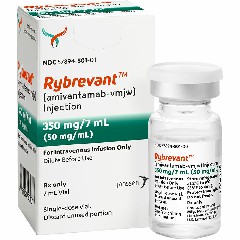
Amivantamab is a monoclonal antibody drug used to treat certain types of non-small cell lung cancer (NSCLC) and other tumors. It exerts anti-tumor effects by targeting and inhibiting the abnormal signaling pathways of epidermal growth factor receptor (EGFR) and anaplastic lymphoma kinase receptor (MET). However, like all drugs, there are some contraindications and conditions that require special attention when using evantumumab. Below is a detailed discussion of contraindications for the use of evantumumab.
1. Patients allergic to evantumumab components
The main component of evantumumab is a recombinant monoclonal antibody targeting EGFR and MET receptors. Patients should not use this drug if they are allergic to evantumumab or any of its excipient components (e.g., certain proteins or carrier substances). Anaphylaxis may manifest as symptoms such as rash, difficulty breathing, facial swelling, chest tightness, throat tightening, or severe anaphylactic shock. Before treatment, doctors usually ask patients if they have any known allergies, especially to protein-based drugs.
2. Pregnant and lactating women
Evantumumab is an immunotherapy drug and should be used with special caution in pregnant or lactating women. According to clinical research results, evantumumab has been shown to have certain harm to the fetus in animal experiments, including teratogenesis and affecting fetal growth. Therefore, women during pregnancy should avoid the use of evantumumab. If the patient plans to become pregnant, effective contraception should be used during treatment and a physician should be consulted before starting the drug. In addition, it is unknown whether evantumumab passes into the baby's body through breast milk, so breastfeeding women should avoid using this drug. If the patient is breastfeeding, breastfeeding should be discontinued during treatment.
3. Patients with severe liver damage
The metabolism and elimination of evantuzumab is primarily by the liver; therefore, patients with hepatic impairment, especially those with severe hepatic impairment, should use this drug with caution. Patients with severe liver damage (such as cirrhosis and liver failure) may have reduced drug metabolism, leading to accumulation of drugs in the body and increasing the risk of adverse reactions. For patients with severe hepatic impairment, detailed liver function assessment must be performed before treatment, and changes in liver function must be closely monitored during treatment. If the patient has severe liver function abnormalities, evantumumab should be avoided or the dose and treatment regimen should be adjusted according to the physician's recommendations.
4. Patients with previous severe cardiovascular disease
Although evantumumab mainly targetsEGFR and The MET signaling pathway works, but in clinical practice it has also been observed that some patients have adverse reactions to the cardiovascular system when using this drug, especially in patients with a history of severe cardiovascular disease. For example, some patients may develop problems such as high blood pressure, heart failure, or arrhythmias. Although these side effects are rare, patients with a history of cardiovascular disease (such as heart failure, coronary heart disease, hypertension, etc.) need to be treated with special caution and monitor their cardiovascular system. If the patient's cardiovascular function is unstable, treatment may need to be temporarily stopped or adjusted.
5. Patients with active pulmonary infection or other serious infection
As an immunosuppressive drug, evantumumab may affect the normal function of the immune system and increase the risk of infection. Patients taking evantumumab are prone to upper respiratory tract infections, pneumonia and other problems, especially those with active lung infections or other serious infections. Because evantuzumab may exacerbate the risk of infection, the use of evantuzumab is contraindicated in patients with known serious infections. Before treatment, doctors usually evaluate the patient's infection history to ensure that the patient does not have an active infection.
6. Patients with severe gastrointestinal diseases or acute gastrointestinal reactions
Common side effects of evantumumab include gastrointestinal symptoms such as nausea, vomiting, and abdominal pain. In more severe cases, these symptoms may interfere with daily life or lead to other health problems. If the patient has severe gastrointestinal disease (such as ulcerative colitis, Crohn's disease, etc.), or has previously experienced acute gastrointestinal reactions, special caution is required when using evantumumab. In this case, the medication may worsen gastrointestinal symptoms and lead to more serious complications. Doctors will decide whether to use the drug based on the patient's specific situation, weighing the pros and cons and closely monitoring the patient's gastrointestinal health during treatment.
7. Contraindications when used in combination with other immunosuppressive drugs
When using evantumumab, if the patient is already taking other immunosuppressive drugs (such as other monoclonal antibodies, chemotherapy drugs, etc.), special attention needs to be paid to drug interactions. Taking immunosuppressive drugs together may increase the risk of infection, allergic reactions, or other side effects, so patients should inform their doctor about all drugs they are taking before starting treatment. Especially when other immunosuppressive drugs are used in combination, treatment regimens need to be formulated with special care to ensure patient safety.
In short, although evantumumab, as a targeted immunotherapy drug, has important efficacy in the treatment of tumors such as non-small cell lung cancer, its contraindications also require great attention. Pregnancy, breastfeeding, severe hepatic impairment, cardiovascular disease, active infection, severe gastrointestinal disease, and concomitant use with other immunosuppressive drugs are all contraindications to the use of evantumumab. Before using evantumumab for treatment, patients should fully communicate with their doctors to ensure that their health conditions are suitable for the use of this drug, and closely monitor body changes during treatment to minimize the occurrence of adverse reactions.
[ 免责声明 ] 本页面内容来自公开渠道(如FDA官网、Drugs官网、原研药厂官网等),仅供持有医疗专业资质的人员用于医学药学研究参考,不构成任何治疗建议或药品推荐。所涉药品可能未在中国大陆获批上市,不适用于中国境内销售和使用。如需治疗,请咨询正规医疗机构。本站不提供药品销售或代购服务。


